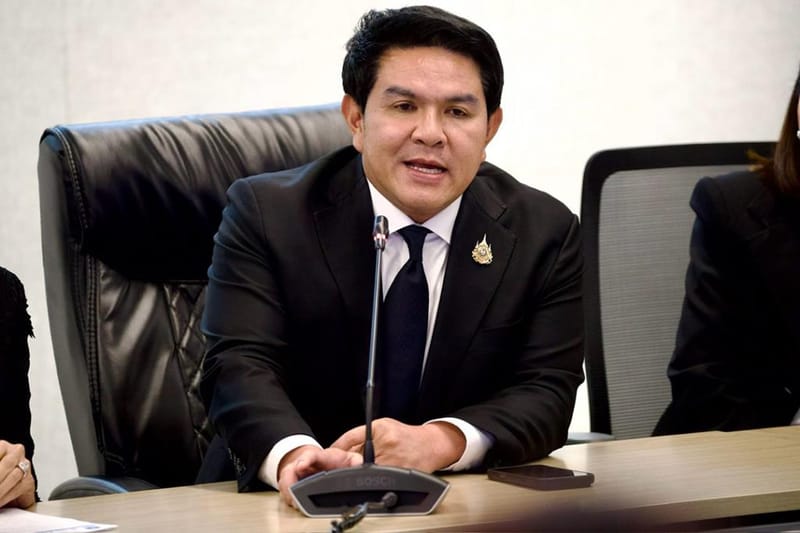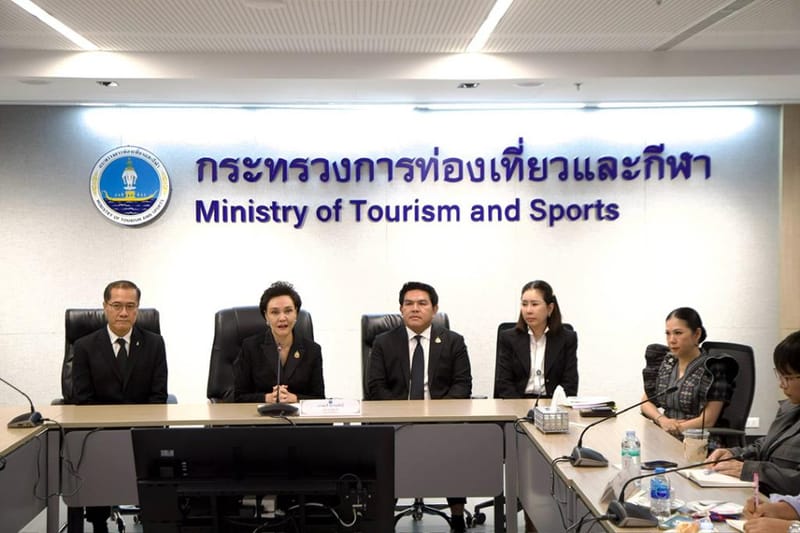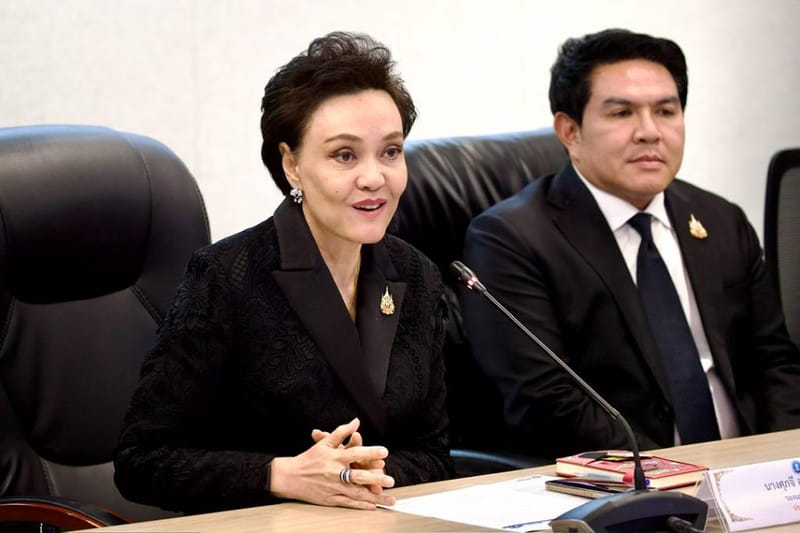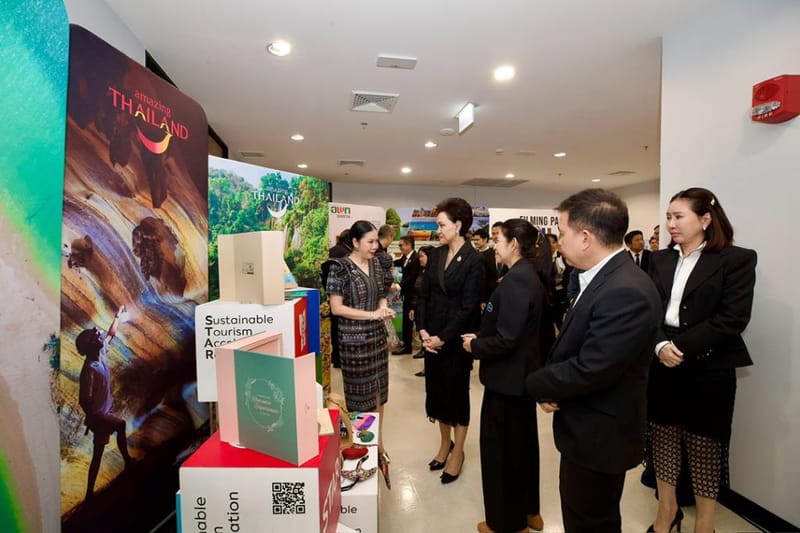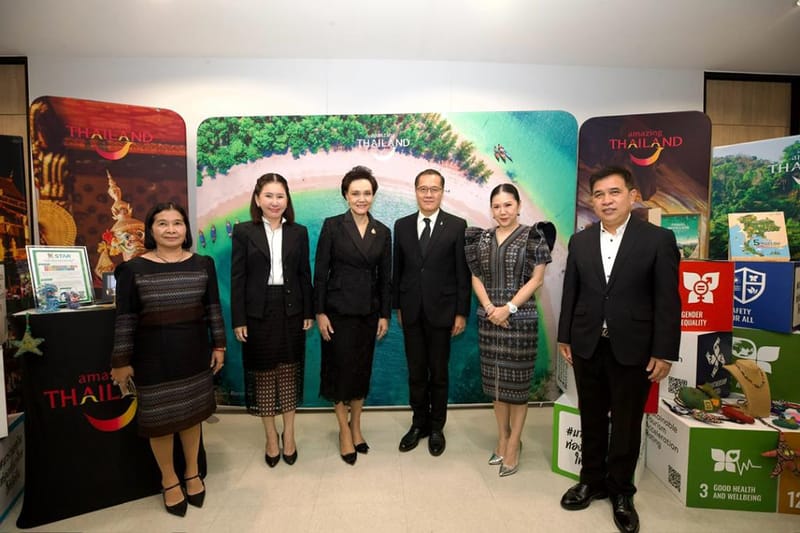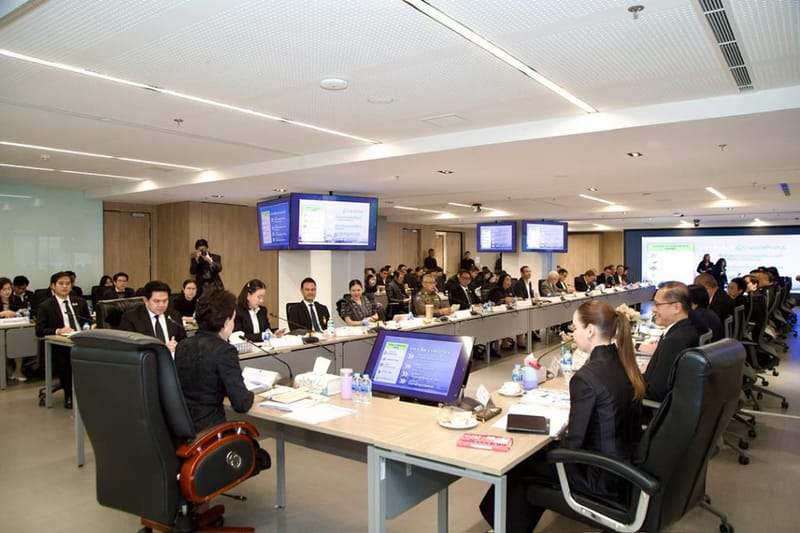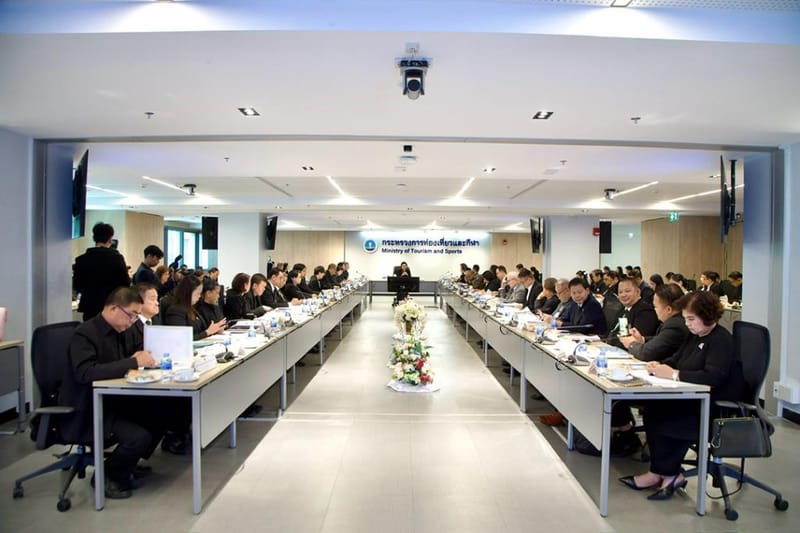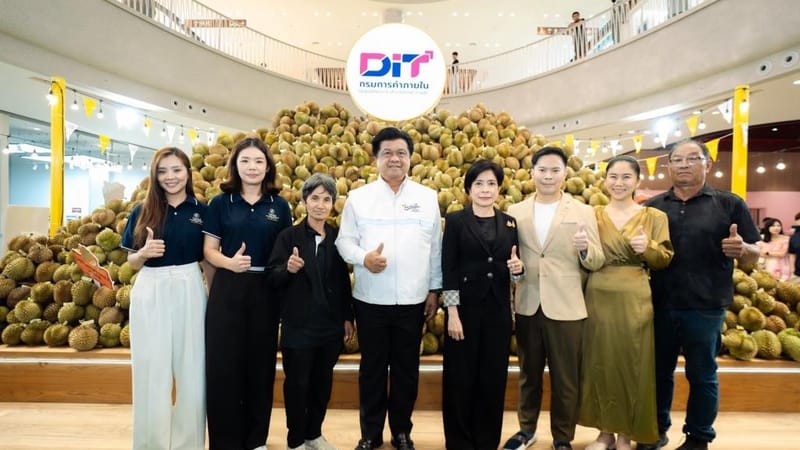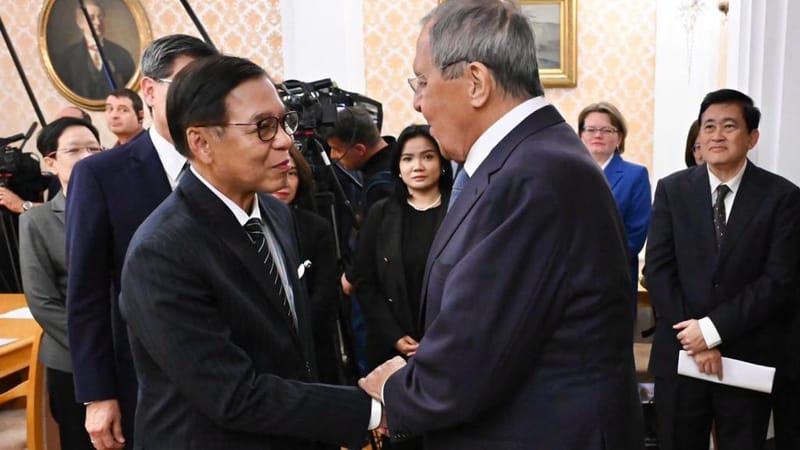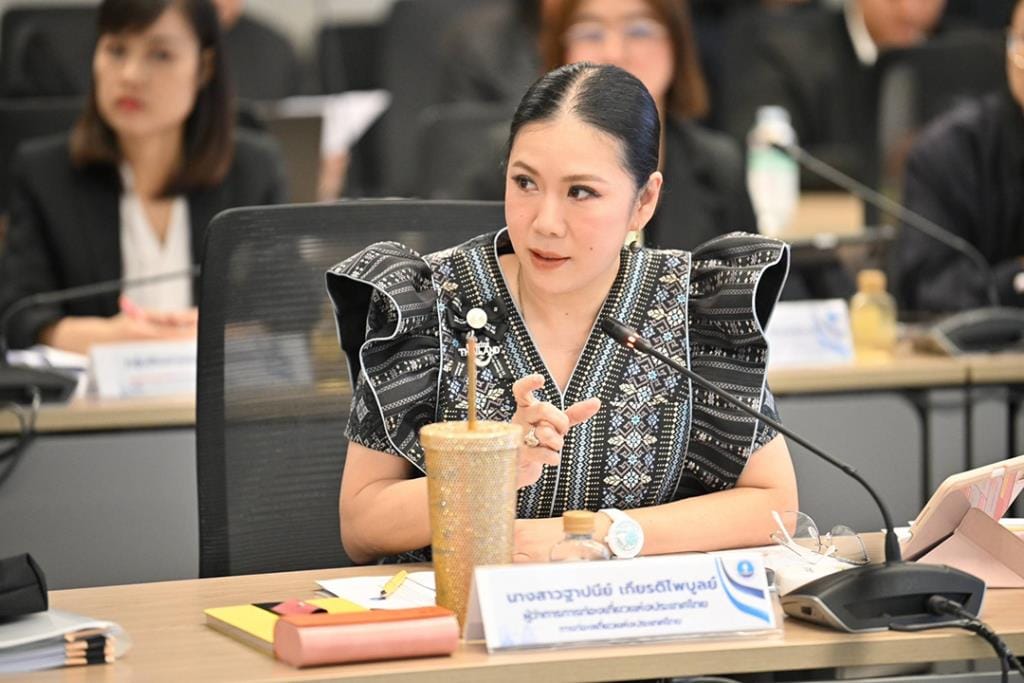
Today (14 August 2026) at 10:00 a.m., Mrs. Supajee Suthampan, Deputy Prime Minister and Minister of Commerce, presided over the 1st/2026 meeting of the National Tourism Policy Committee (NTTPC) at the Ministry of Tourism and Sports.
The meeting set out a framework for driving Thai tourism forward in the next phase, with a focus on creating value rather than rushing to increase tourist numbers, while also elevating the quality and standards of tourism, adding economic value, distributing income to operators and communities, and establishing a tourism system that grows in a balanced and sustainable manner.
**Pushing Forward the Draft Announcement on Collecting Foreign Tourist Fees**
The meeting considered the draft principles and draft announcement of the National Tourism Policy Committee on the collection of domestic tourism fees from foreign tourists, in order to proceed with the public consultation process in accordance with the prescribed criteria.
**Raising Accommodation Standards and Resolving Off-System Problems**
Another important agenda item was raising tourism standards and resolving accommodation problems, with the aim of elevating the quality and safety of tourism products and services, as well as bringing accommodation that currently operates outside the legal framework into the system.
Key approaches include adjusting the Thai Homestay standard to accommodate no more than 8 rooms and no more than 30 guests, as well as expanding the camping accommodation standard to cover camping, glamping, and campervans, in addition to raising the safety standards for canoe and kayak activities.
Furthermore, preparations are under way to bring off-system accommodation into the formal system through a risk-based legal review, using the Home Lodge or Thai Homestay standard as a tool for promotion and standard elevation.
**Pushing 4 Special Areas, Linking Development Plans Toward Sustainable Tourism**
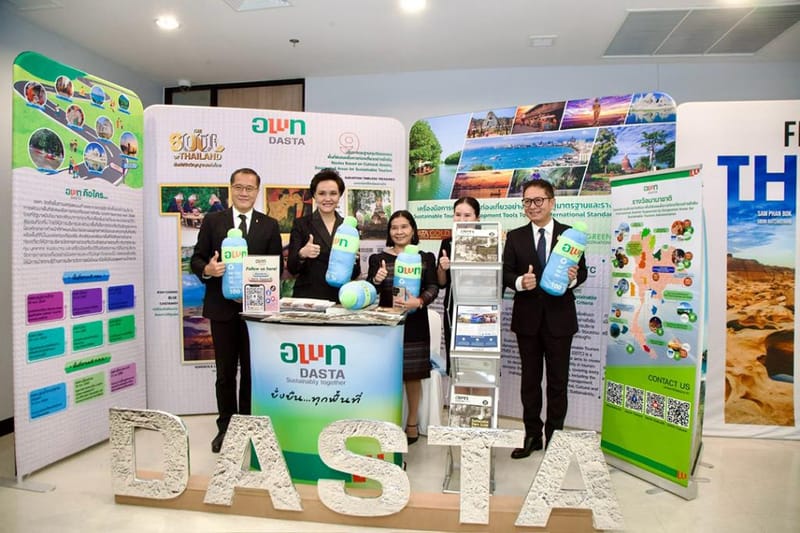
Regarding the development of special areas and World Heritage Sites, the meeting placed importance on area-based management as a mechanism for driving sustainable tourism. It pushed forward the strategic plans for the special areas under the Designated Areas for Sustainable Tourism Administration (DASTA) — namely Koh Chang Archipelago, Songkhla Lake Basin, Chiang Rai, and Khung Bang Kachao — to be designated as tourism management policy under Section 10(1), in order to link them to budget allocation and the operations of relevant agencies.
At the same time, the meeting also pushed forward the Sukhothai–Si Satchanalai–Kamphaeng Phet area as a model area for World Heritage Site management for sustainable tourism.
In addition, the meeting acknowledged the results of past operations and key resolutions, including the situation and trends in tourism, progress under the 3rd National Tourism Development Plan, as well as visa measures and travel facilitation measures.
Going forward, the drive for Thai tourism will focus on building a quality and standardised tourism ecosystem, creating opportunities for operators to remain competitive, while maintaining financial mechanisms to support ongoing development. The approaches and proposals that have been considered by the NTTPC in the relevant areas will be submitted to the Cabinet for consideration, with the aim of gaining policy-level approval and translating them into concrete action.