Tobacco farmers in the northeastern region have come out in opposition to the concept of restricting cigarette purchases by birth year, demanding that the government step in to stop an obscure public health minister from pushing a policy at his own whim. They say it will damage their income and livelihoods, and is shifting the burden onto farmers, while questioning where the government will find the budget to compensate those affected. They are urging Prime Minister Anutin to urgently order the measure halted.
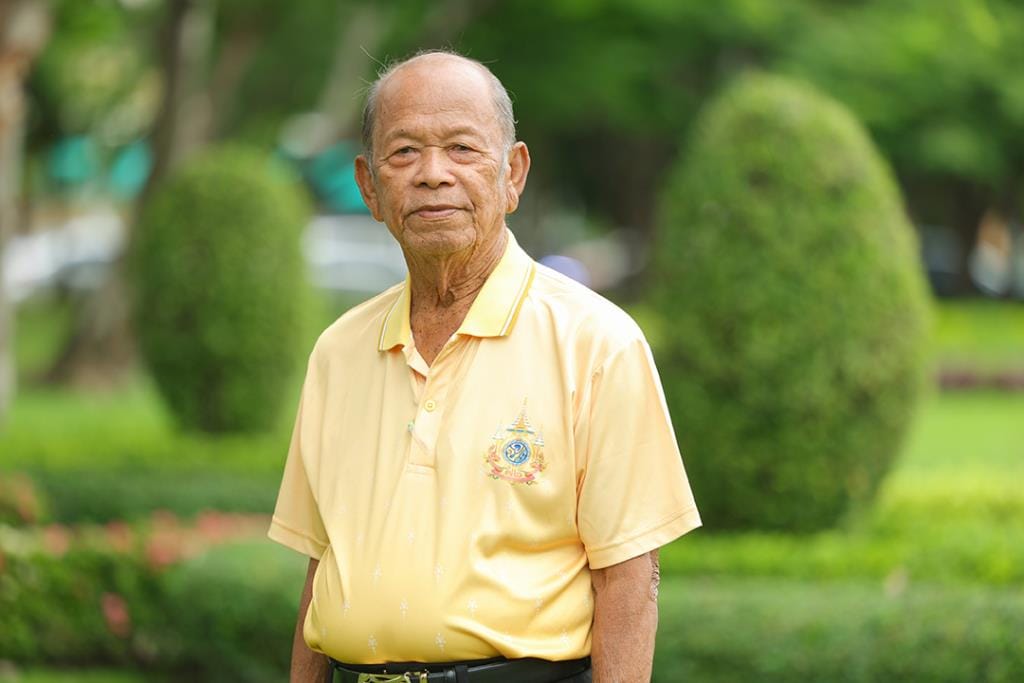
Mr. Sant Hansupho, president of the Turkish Tobacco Farmers Trade Association and representative of tobacco farmers in the northeastern region, revealed that he had been informed that Public Health Minister Phatthana Phrompphat continues to press ahead with the "Nicotine-Free Generation" policy — a ban on purchasing cigarettes and all nicotine products, tied to a person's birth year. He stated: "We do not agree with this policy, because it will certainly affect the income and occupational security of tobacco farmers, as well as workers and related businesses throughout the supply chain in the northeastern region. Growing tobacco still requires a large number of human workers; we do not have labour-saving technology like other crops. If there is no tobacco farming as a livelihood, where will villagers get the money to support themselves and their families after the rice-growing season? Because tobacco is gold — there is no other crop that generates income as reliably as this."
The president of the Northeastern Tobacco Farmers Association stressed: "At present, the northeastern region has more than 9,942 tobacco farming households. In 2025 we produced up to 5.2 million kilograms of tobacco leaves, and demand is still growing because the leaves we grow are of high quality — but we cannot grow more because of a shortage of human labour. What Bhumjaithai — the political party of the northeastern people — should be doing is supporting tobacco farmers so that they can continue their livelihood, and stopping a public health minister who is pushing a policy merely to boost his own popularity on the backs of the suffering of tobacco farmers in the northeast, and across the country, totalling more than 22,500 households."
Previously, tobacco farmer networks from various areas across the country had already come out to declare their opposition to this concept, on the grounds that no support measures have been put in place for those affected throughout the tobacco supply chain, and that there is no clear evidence the policy will actually reduce smoking — while it risks expanding the illegal cigarette market. It is also a measure that will create binding obligations on the government and future budgets without solving the problem of current smokers. They have therefore called on the public sector to comprehensively listen to the opinions of farmers and affected parties before pushing forward with the measure, as there are concerns that imposing a prohibition of this nature could affect long-term tobacco demand and impact the economies of many agricultural communities.
Mr. Sant added: "The Ministry of Public Health claims there will be compensation for farmers, but it is still impossible to see where the state will find the budget, because the government is already broke. Welfare cards are being cancelled for entire villages, and now they want to destroy our livelihood on top of that. In the past, when problems arose in the industry, the state said it would help with compensation payments — but it has always been delayed. Farmers have had to rally together and wait for compensation money for a long time. As for alternative crops, they have been studying the matter for several decades, but we have never seen any concrete results."
"We feel like we have been abandoned. The Bhumjaithai Party was entrusted by the northeastern people and received as many as 64 parliamentary seats. Moreover, the Public Health Minister, Mr. Phatthana Phrompphat, is a person from Phetchabun Province — one of the country's largest tobacco and pipe-tobacco growing areas — yet today he has chosen to push a policy that runs counter to the roots of his own family, hoping only for praise from public health agencies, to the point of overlooking the people entirely. Even though, if he simply did not act the way he is acting now, keeping his ministerial seat would not be all that difficult," said Mr. Sant.
"We would like all 64 Bhumjaithai MPs in the northeastern region to help serve as a bridge, conveying our hardship to Prime Minister Anutin and asking him to come and look after this matter personally. In the past, whenever a policy has been opposed by the people, he has generally listened and ordered it delayed for review. We therefore hope that this time he will listen to the voice of the farmers as well, before tobacco farmers across the country are left to bear the impact of this policy entirely on their own."