Police Lieutenant General Trairong orders urgent investigation into woman's complaint of assault and unlawful detention by police cadet boyfriend, stresses protection of the victim and access to justice, instructs parent unit to establish a fact-finding committee, and reiterates that a uniform is not a shield for wrongdoers.
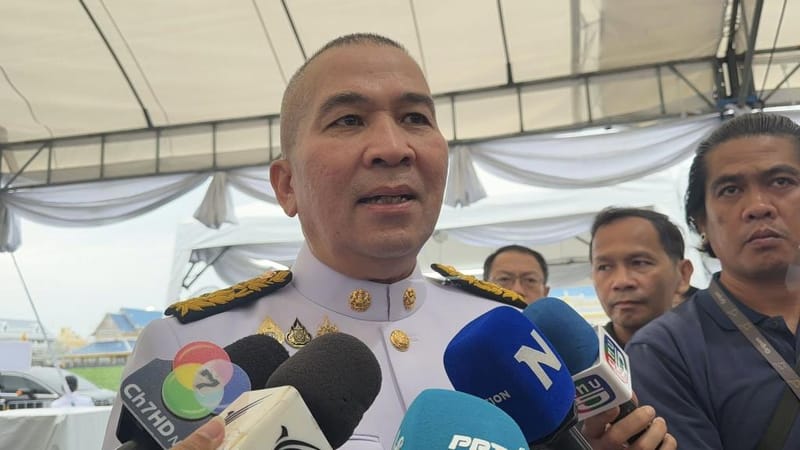
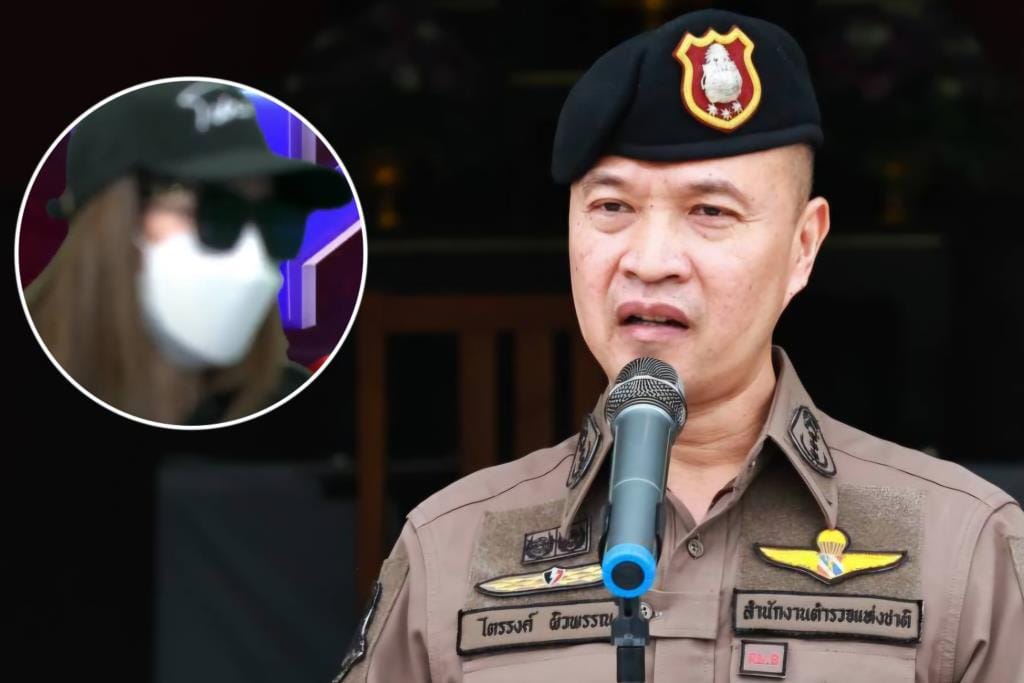
Today (12 August), Police Lieutenant General Trairong Phiwphan, Deputy Inspector General of the Royal Thai Police, in his capacity as spokesperson for the Royal Thai Police Office, addressed the case of a young woman who filed a complaint on a well-known programme, alleging that her boyfriend — currently a police non-commissioned officer cadet — had physically assaulted her, unlawfully detained and restrained her, and engaged in other conduct that may constitute criminal offences. He stated that he had already been informed of the matter, and that the first priority was the safety of the complainant as well as ensuring that the victim could access the justice process as quickly as possible.
Police Lieutenant General Trairong said that when members of the public feel they have been harmed, threatened, or are in an unsafe situation and decide to come forward to seek help from the police, it is the duty of the police to listen, receive the matter, and act in accordance with the law. The public should not be left to face their problems alone or be made to travel to multiple responsible agencies by themselves.
Regarding the criminal case, Police Lieutenant General Trairong stated that he had telephoned the superintendent of Bang Khun Non Metropolitan Police Station to instruct officers to take statements from the complainant and to promptly receive and gather all relevant evidence. Even though some of the incidents alleged by the complainant occurred outside the jurisdiction of Bang Khun Non Police Station, he directed that officers proceed in accordance with the Royal Thai Police Office regulations on receiving complaints or criminal accusations outside the investigating jurisdiction, before forwarding the matter to the investigating officer with competent authority to proceed under the law.
The Royal Thai Police spokesperson said he wished to emphasise that "where the incident occurred" should not become the first obstacle for the public when they seek help from the police. The police should be the starting point for resolving problems, not an additional burden placed on those already in distress. At the same time, in this case the person against whom the complaint was filed is an individual within the Royal Thai Police Office's training system, and the matter must therefore be investigated seriously, since the public rightly expects that those who will go on to serve as police officers in the future must possess maturity, respect for the law, and must not use violence against others.
Police Lieutenant General Trairong said he had coordinated with the commander of the Provincial Police Region 4 Training Centre, as the respondent's parent supervisory authority, and instructed that a fact-finding committee be established to examine the alleged conduct within the scope of its authority. He further stressed that while the victim must be protected, no one should be judged before the facts are established, and he emphasised that protecting the public does not mean pronouncing anyone guilty before the facts come to light. The complainant must receive full protection, safety, and the opportunity to access the justice process, while the accused also has the right to provide an explanation and to present evidence through the legal process.
Officers must therefore gather evidence comprehensively — including statements, medical evidence, photographs, video footage, messages, and all circumstantial evidence — so that the facts emerge fully and fairly for all parties. In particular, allegations involving physical assault, unlawful detention and restraint, or sexual acts committed without consent are matters that must be treated seriously and investigated rigorously. They should not be dismissed as merely "a matter between two people" or "an internal relationship matter." If the conduct falls within the scope of criminal offences, it must be dealt with according to the law. And if the accused is a police officer or is undergoing training to become part of the police organisation, there is all the more reason why they should receive no treatment more favourable than that afforded to ordinary members of the public.
Police Lieutenant General Trairong reiterated that "a uniform should not be a shield for wrongdoers — it must serve as a reminder that our duty is to protect the people." He further instructed that the handling of this matter be conducted in a manner that is straightforward, swift, and accountable, and emphasised four key principles: the victim must be protected; the accused must be treated fairly; the facts must be proven; and if wrongdoing is found, action must be taken strictly in accordance with the law and regulations.
In all respects, the investigation and prosecution must proceed on the basis of evidence and through due legal process, so that genuine justice is achieved for all parties.