Thailand takes another step forward in vaccine security as the FDA successfully registers a 9-strain cervical cancer vaccine and a botulinum antitoxin, paving the way for the country to become ASEAN's vaccine hub.
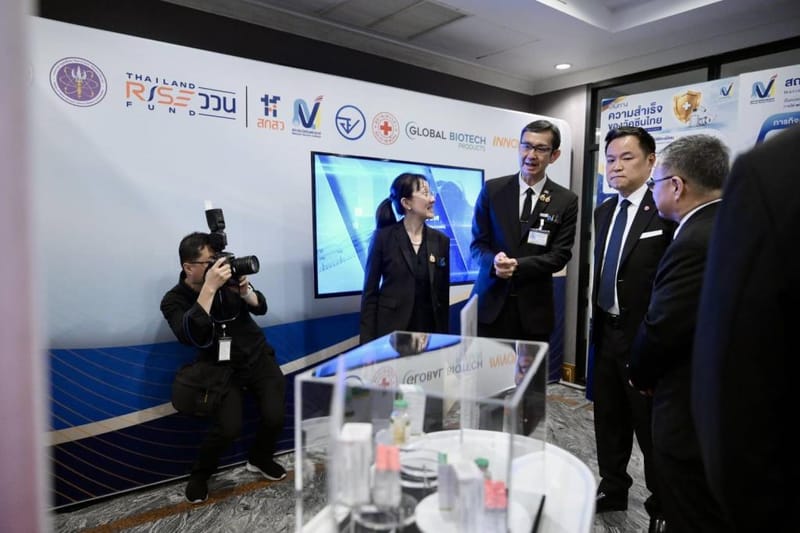
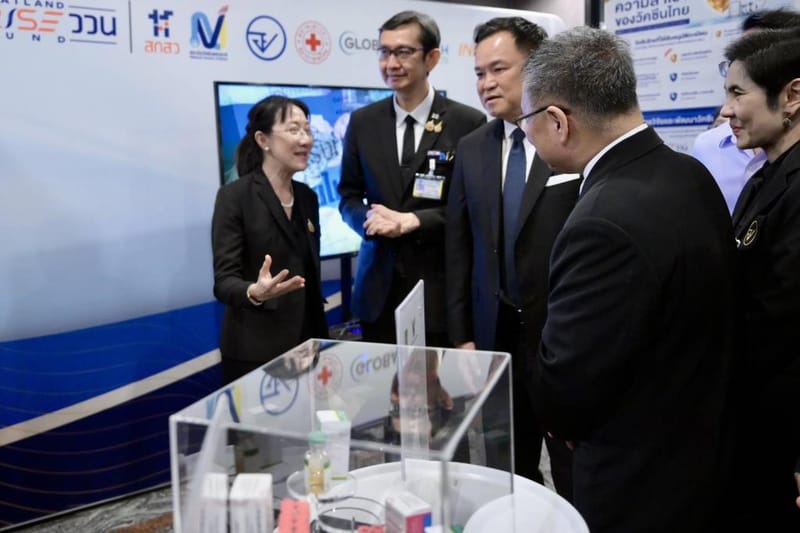
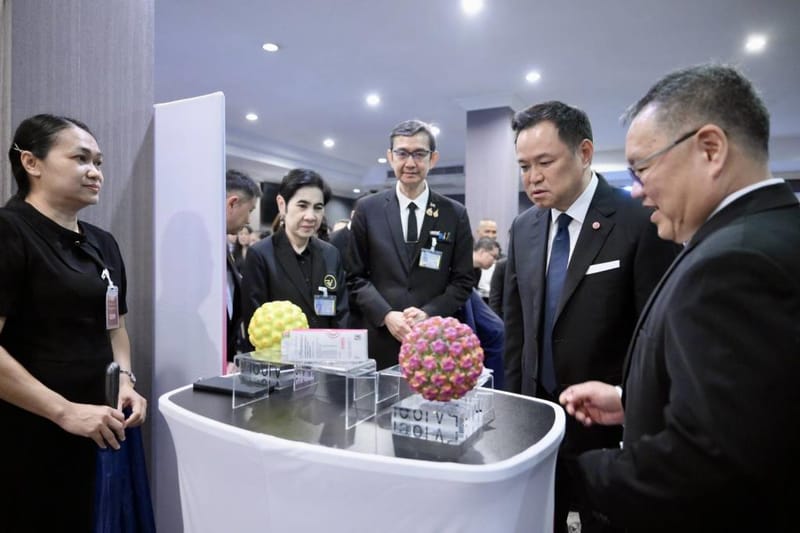
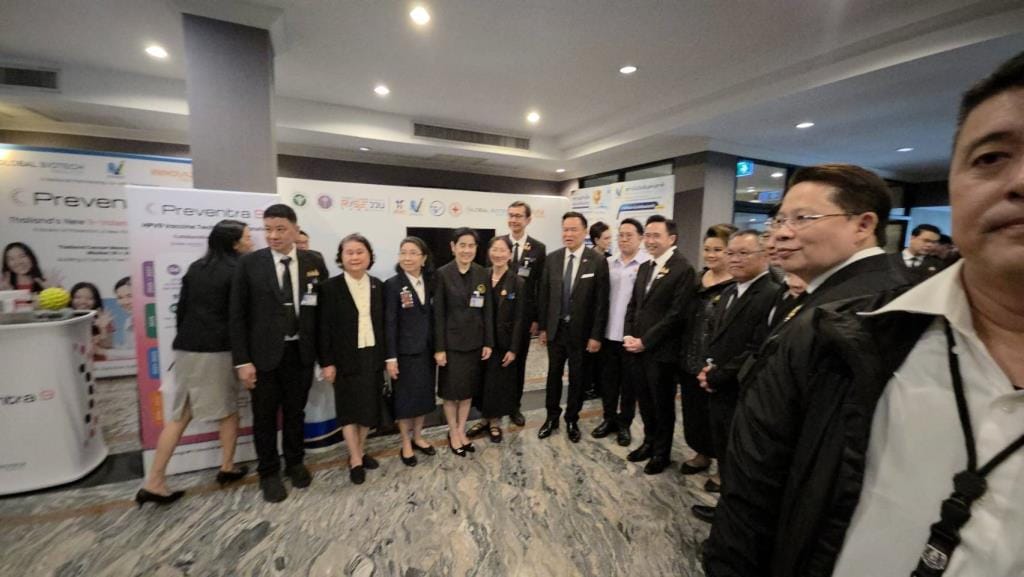
Today (25 August 2026) at 09:45 a.m., in the central lobby of Command Building 1 at Government House, ahead of the Cabinet meeting, Ms. Ratchada Thanadirek, Spokesperson of the Prime Minister's Office, disclosed that Prime Minister Anutin Charnvirakul, also serving as Minister of Interior, participated in a public relations activity showcasing the achievements in strengthening Thailand's vaccine production capacity under the country's and ASEAN's vaccine security initiatives, organized by the National Vaccine Institute, Ministry of Public Health.
The Prime Minister's Office Spokesperson said that the Prime Minister was briefed on the objectives of this event, which reflect a significant milestone for Thailand in strengthening its vaccine and biological product production capacity in order to drive vaccine security at both the national and ASEAN regional levels. These achievements include: 1.) A technology transfer collaboration project for the production of the 9-strain human papillomavirus (HPV) cervical cancer vaccine, which received drug registration from the Food and Drug Administration (FDA) on 24 July 2026; and 2.) A research and development project for the production of Botulinum Antitoxin, a product that the institute has produced and which received drug registration from the Food and Drug Administration (FDA) on 6 July 2026.
Regarding the 9-strain HPV vaccine, the National Vaccine Institute has driven a strategic partnership with INNOVAX for production technology transfer (2024–2026), with the company having continuously supplied the 2-strain HPV vaccine since 2023 at a volume of 800,000 doses per year. This has enabled Thailand to provide vaccine coverage for eligible children who had not yet been vaccinated across three academic years, totalling approximately 1.2 million individuals. Meanwhile, the botulinum serum (TRCS BOTULINUM ANTITOXIN) was developed in collaboration with the Queen Saovabha Memorial Institute of the Thai Red Cross Society, resulting in the first-ever domestic production of the Bivalent (AB) type in Thailand and ASEAN. This reduces reliance on imports, enhances emergency preparedness, and represents a significant step toward developing Thailand into a regional Botulinum Antitoxin reserve centre to support ASEAN member states and neighbouring regions in the future.
In addition, the Prime Minister visited the National Vaccine Institute's booth. The institute has served as a Programme Management Unit (PMU) under the Fund for the Promotion of Science, Research and Innovation (FSRI) since 2022, with the aim of promoting and supporting upstream research and development of vaccines and important biological products, including production technology transfer, to build vaccine security and self-reliance so that Thailand has sufficient vaccines for its population both in normal circumstances and during emergencies — in line with the goal of elevating Thailand to become ASEAN's vaccine security hub.