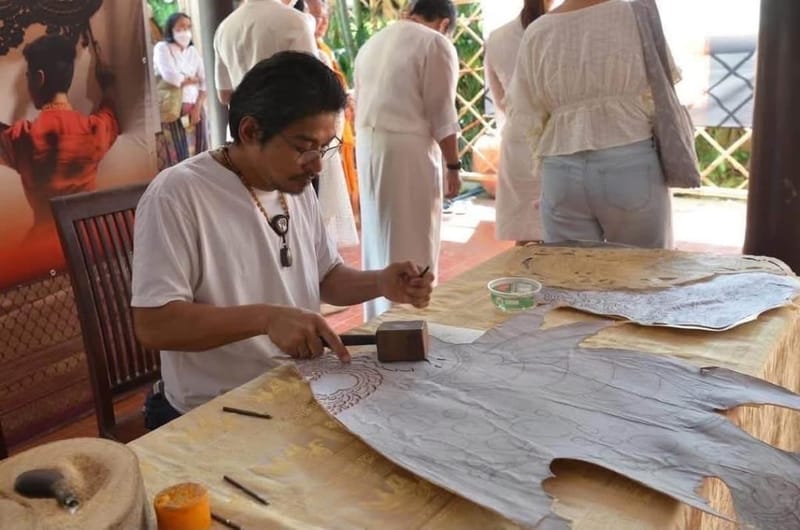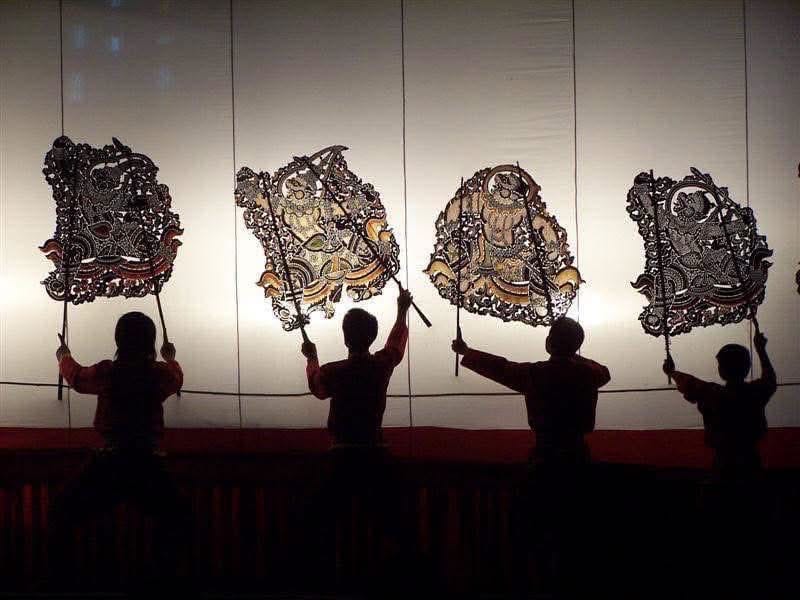
Get acquainted with "Nang Yai Wat Khanon" in Ratchaburi Province — a priceless intangible heritage of the land — before joining the performing arts demonstration and workshop on "Nang Yai Wat Khanon Leather Punching" at the National Cultural Festival "Si San Thai: COLORS OF THAI THAI," to be held on 2–6 September 2026 at IMPACT Exhibition Hall 7–8, Muang Thong Thani.
The Facebook page of the Ministry of Culture has invited the public to get to know "Nang Yai" — a classical form of entertainment that brings stories vividly to life. One of Thailand's Nang Yai traditions that has survived to the present day is found at Wat Khanon in Ratchaburi Province. The page provided the following information:
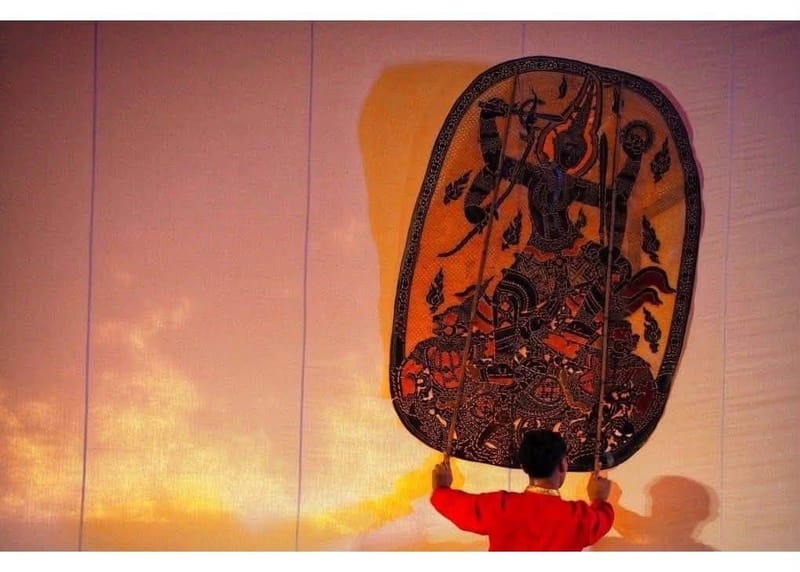
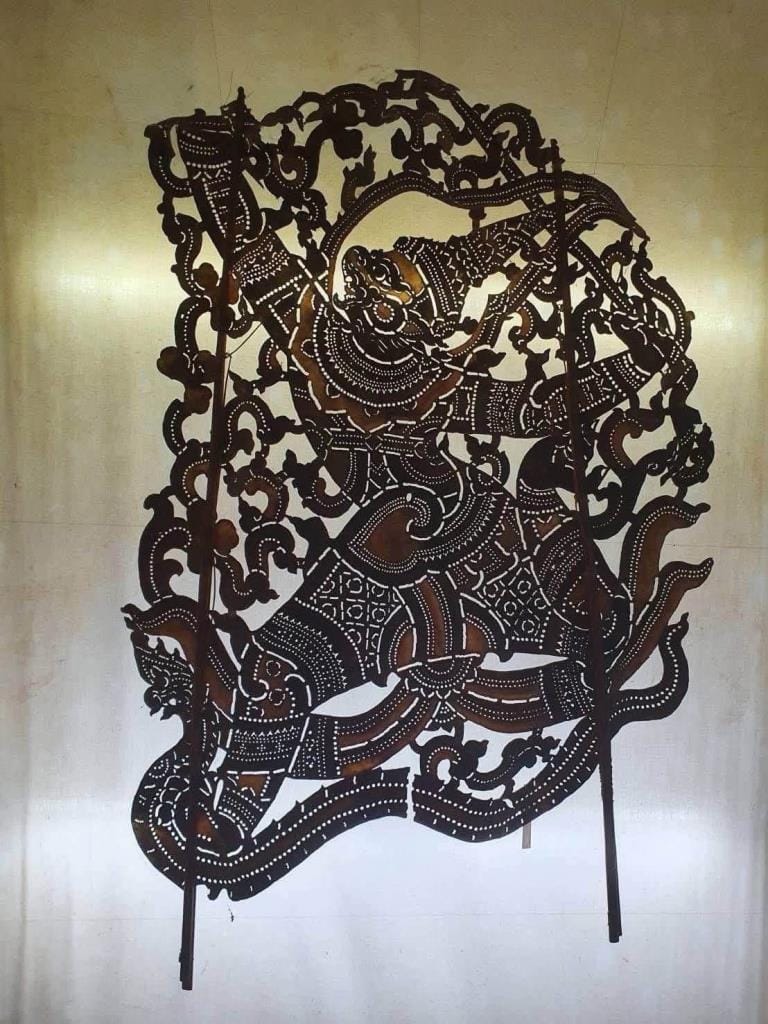
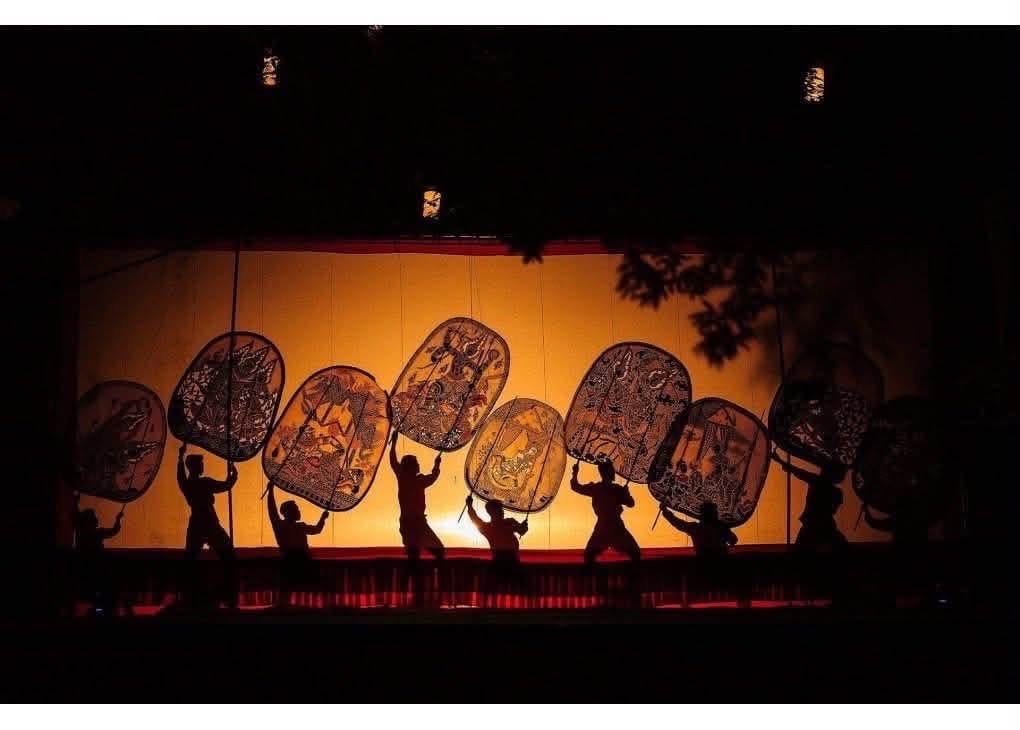
"Nang Yai" is a classical performing art that originated in the Sukhothai era and flourished during the Ayutthaya period, with clear evidence appearing during the reign of King U Thong. Nang Yai blends multiple art forms together — including Thai painting on hide panels, intricate carving, classical dance, and the sounds of Piphat music — to convey stories with vivid life. One of the Thai Nang Yai traditions that has survived to the present day is that of Wat Khanon in Ratchaburi Province.
The originator of this art was Phra Khru Sattha Sunthon (Luang Pu Klom) of Wat Khanon, who conceived the idea of making the puppet figures larger than any that had existed before. He invited Master Ang, Chang Chat, Chang Cha, and Chang Phuang to collaborate in creating the first set, "Hanuman Presents the Ring," before continuing with nine more sets. Today, Wat Khanon possesses 313 puppet figures in total, making it a complete performing art ensemble — with the puppets, the performance troupe, and the temple as the original copyright holder all in one place.
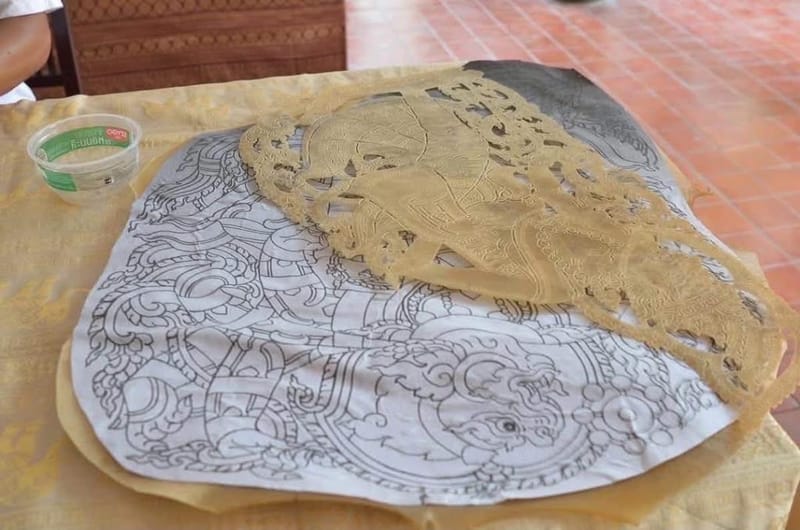
Behind a Nang Yai performance lies a complex artistic process, from carving Thai patterns into cowhide and crafting the movement of each character's manipulation, through to harmonising the narration, singing, and Thai music so that the "story" within the Nang Yai unfolds as realistically as possible. The most popular story is the Ramakien, which reflects virtue, love, courage, and the power of righteousness.
In 1989, Her Royal Highness Princess Maha Chakri Sirindhorn recognised the artistic value of Nang Yai and initiated a royal project for Wat Khanon to conserve all the old puppet sets and produce a new set for use in performances, entrusting Silpakorn University with responsibility for all the craftsmanship involved.
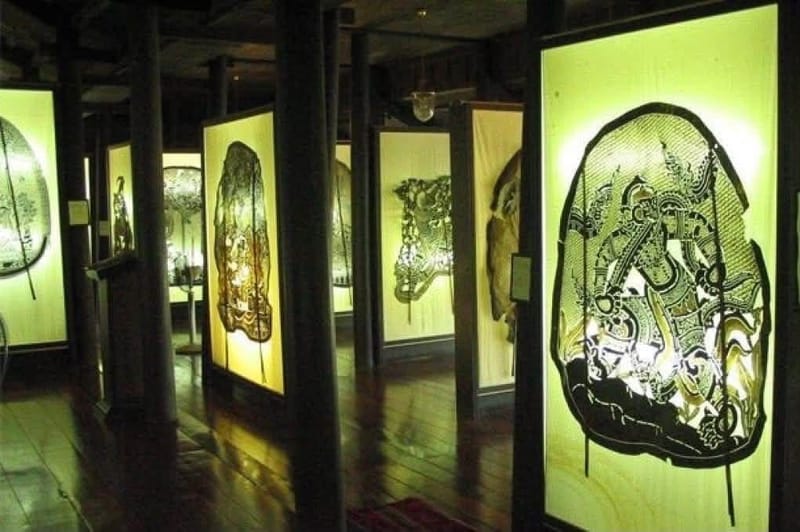
On 21 June 1995, the new set of Nang Yai was presented to Her Royal Highness at the National Theatre, and she graciously granted permission for it to be used in performances in place of the original set — marking a sustainable continuation of this art form within Thai society. Subsequently, Her Royal Highness initiated the renovation of a cluster of traditional Thai houses within Wat Khanon — formerly used as monks' quarters and a sermon hall — converting them into a Nang Yai Museum for the proper preservation of the old puppet figures and as a centre of learning on Thai arts and culture for the general public.
In 2007, the Wat Khanon Nang Yai Community was recognised as one of six outstanding communities in the world for their work in safeguarding intangible cultural heritage (ICH) by the United Nations Educational, Scientific and Cultural Organization (UNESCO).
Anyone wishing to experience "Nang Yai" first-hand is welcome to join the performing arts demonstration and workshop on "Nang Yai Wat Khanon Leather Punching" at the National Cultural Festival "Si San Thai: COLORS OF THAI THAI," to be held on 2–6 September 2026 at IMPACT Exhibition Hall 7–8, Muang Thong Thani.
Images and information courtesy of the Fine Arts Department and the Ratchaburi Provincial Cultural Office.
Travel and food news can be submitted to: [email protected]. Videos can also be viewed at YouTube: Travel MGR, Instagram: @travelfoodonline, and TikTok: @travelfoodonline.