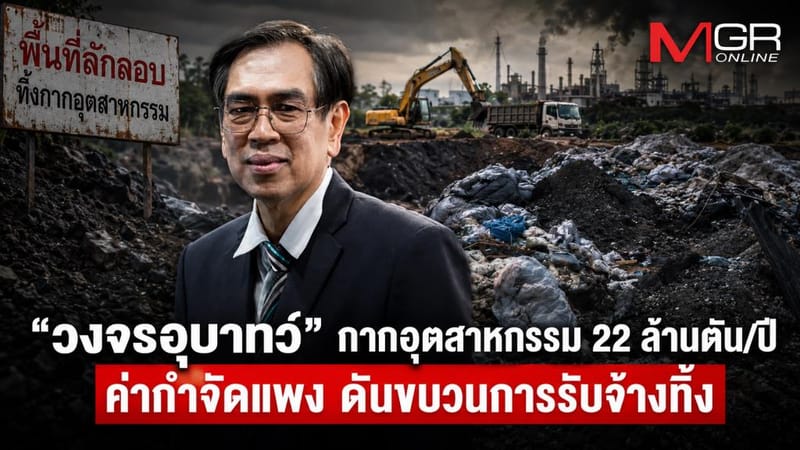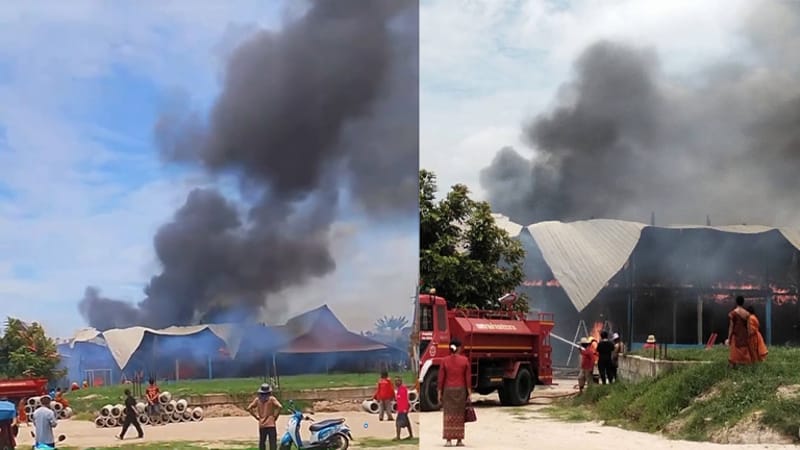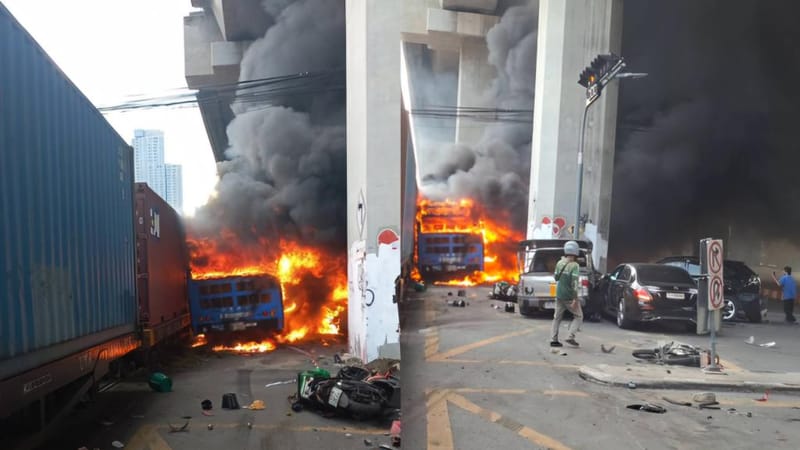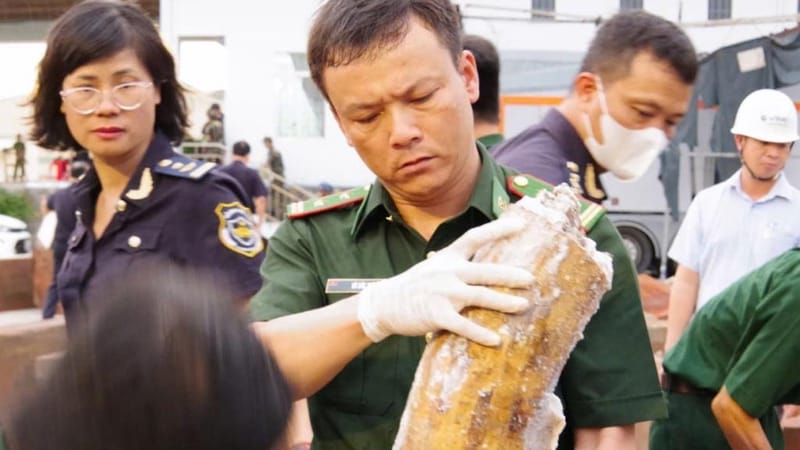
Eastern Region – "Dr. Sonthi," an environmental academic, has pointed out that Thailand generates approximately 22 million tonnes of industrial waste per year, yet the capacity of its disposal system — particularly for hazardous waste — can handle only a portion of that volume. With proper treatment and disposal costs running as high as 10,000–20,000 baht per tonne, some operators are choosing illegal disposal services, giving rise to networks that accept payment to dump waste unlawfully.
Dr. Sonthi Kotchawat, an expert and academic in environmental and health affairs at the Thai Environmental Academics Club, shared his views on the industrial waste problem, stating that Thailand is currently facing an increasingly severe industrial waste management crisis, driven by continuously rising waste volumes while the capacity of its handling systems remains limited. Dr. Sonthi Kotchawat specified that Thailand currently generates approximately 22 million tonnes of industrial waste per year, divided into roughly 20 million tonnes of non-hazardous waste and approximately 1–2 million tonnes of hazardous waste per year.
This enormous volume of waste has placed mounting pressure on the disposal system — particularly secure landfills — which face constraints in both available land and waste-handling capacity. Major operators such as GENCO Co., Ltd., Better World Green Co., Ltd. (BWG), and Professional Waste Technology Co., Ltd. (PRO) are unable to manage all industrial waste through landfilling alone.
"Bottleneck" — disposal capacity failing to keep pace with rising volumes
Dr. Sonthi identified the first critical factor as a "bottleneck in disposal capacity." The three major operators combined can handle approximately 300,000–400,000 tonnes of hazardous industrial waste per year, which, when measured against the volume of waste generated nationwide, leaves a significant gap between the amount of waste produced and the capacity to dispose of it.
At the same time, treating and disposing of hazardous waste to the required standard carries relatively high costs, averaging approximately 10,000–20,000 baht per tonne. This leads some cost-cutting operators to turn to illegal waste transport or disposal services, which charge less than lawful processing.
In addition, each individual waste disposal operator faces constraints in treatment capacity and landfill space — particularly within the Eastern Special Development Zone (EEC), which has a dense industrial base and a continuously growing waste generation trend. Constructing or expanding industrial waste landfill sites requires large tracts of land and is subject to stringent environmental measures, making it impossible to expand system capacity quickly enough to keep up with the increasing volume of waste in the short term.
From "cost-cutting" to paid illegal dumping networks
Dr. Sonthi views the problem as becoming a "vicious cycle" when source factories seek to reduce expenses and subcontractors or waste transport companies operating illegally step in to offer prices below the standard disposal rate.
The typical operating pattern is as follows: the source factory pays a contractor a low fee to dispose of the waste; the contractor then dumps the waste in a concealed location or on cheaply rented land, pocketing the difference between the service fee received and the actual cost of dumping as profit.
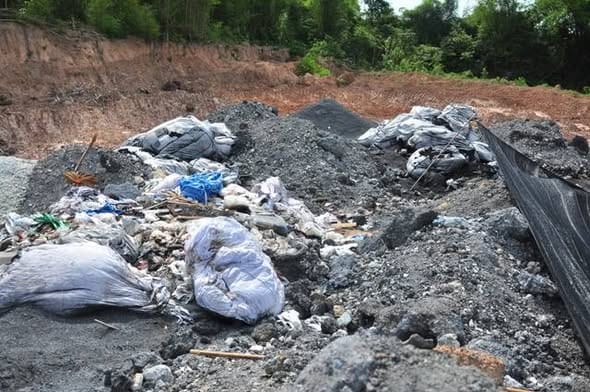
Sites commonly used as illegal dumping points include old clay pits, abandoned mines, derelict land along highways, and privately owned land. In some cases, the perpetrators claim they are bringing in "good soil" or fill material suitable for land reclamation, only for it to be later discovered that industrial waste or chemicals were dumped instead.
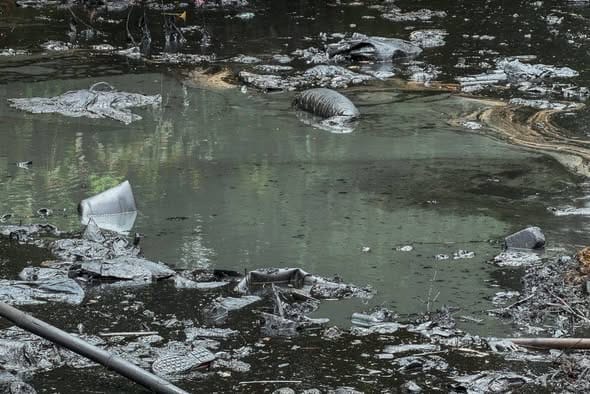
The resulting impact is that by the time communities or officials detect the problem, some of the chemical waste may have already leached into the soil and water sources, affecting ecosystems and the quality of life of local residents, while the cost of remediation — in both budget and time — can be enormous.
Watch for "loopholes" in recycling factories
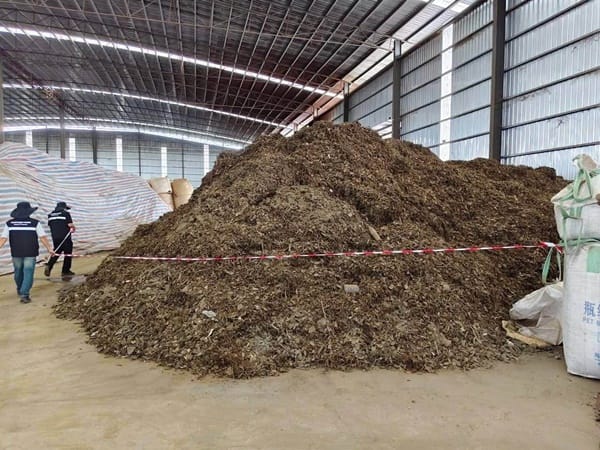
Another issue to watch is certain types of recycling factories — particularly Type 105 and Type 106 factories — which, if monitoring and inspection are not sufficiently rigorous, may develop loopholes that allow them to be used as "holding points" or "laundering sites" for industrial waste, accepting waste or chemicals for storage before illegally disposing of or moving it to other locations.
Beyond problems with the disposal system and transport, penalties are another critical factor. If the actual penalties imposed are low in value relative to the financial benefit gained from avoiding disposal costs — which can amount to several million baht — offenders may conclude that the risk of being caught and punished is not high enough to deter wrongdoing.
Dr. Sonthi believes that solving the problem therefore requires a whole-system approach: increasing the capacity of treatment and disposal centres, inspecting source factories and transport operators, tracking industrial waste along its entire route, regulating recycling factories, and raising the level of penalties — so that "the cost of illegal waste dumping is higher than the cost of proper disposal." If this cycle cannot be broken, the industrial waste problem is likely to grow in tandem with the expansion of the industrial sector, particularly in the EEC area.