The Department of National Parks, Wildlife and Plant Conservation has announced the good news of the discovery of two new plant species for the world — "Kradieng Khao Khun Phawaw" and "Muang Si Anusarn" — reaffirming the richness of the forest in Khun Phawaw National Park.
The Department of National Parks, Wildlife and Plant Conservation, together with a network of botanical research partners, has discovered two new plant species in the family Gesneriaceae, genus Didymocarpus, namely "Kradieng Khao Khun Phawaw" (Didymocarpus niveus Nangngam, Vidthay., Wongsa & Suddee) and "Muang Si Anusarn" (Didymocarpus vilaiwaniae Nangngam, Moungmaith. & Chamch.), from the area of Khun Phawaw National Park, Mae Ramat District, Tak Province.
This discovery is the result of building upon plant surveys conducted by Dr. Woradol Jaemjumroon, a specialist in plant taxonomy, and his team, who had previously collected reference specimens held at the Forest Herbarium since 2011 and 2024. Subsequently, Dr. Pranee Nangngam of Naresuan University, who is responsible for the study of the genus Didymocarpus under the Flora of Thailand project, examined the reference specimens and coordinated with Mr. Samrit Muangmaitong, Head of Khun Phawaw National Park, to conduct fieldwork for collecting additional complete specimens. Detailed diagnostic verification was provided by Dr. David Middleton, a specialist in the family Gesneriaceae from the Royal Botanic Garden Edinburgh, and Dr. Somran Suddee, botanical and biodiversity advisor at the Division of Forest Conservation and Plant Research.
This significant discovery has been officially published in the international academic journal Thai Forest Bulletin (Botany), volume 54(2), pages 128–149, for the year 2026, as part of a scientific article on the discovery of ten new world species in the genus Didymocarpus in Thailand. As a result, Thailand now has a total of 35 recorded species in this genus, reflecting the invaluable biodiversity of Thai forests. Both plant species possess taxonomic characteristics and distinctive features of interest, as follows:
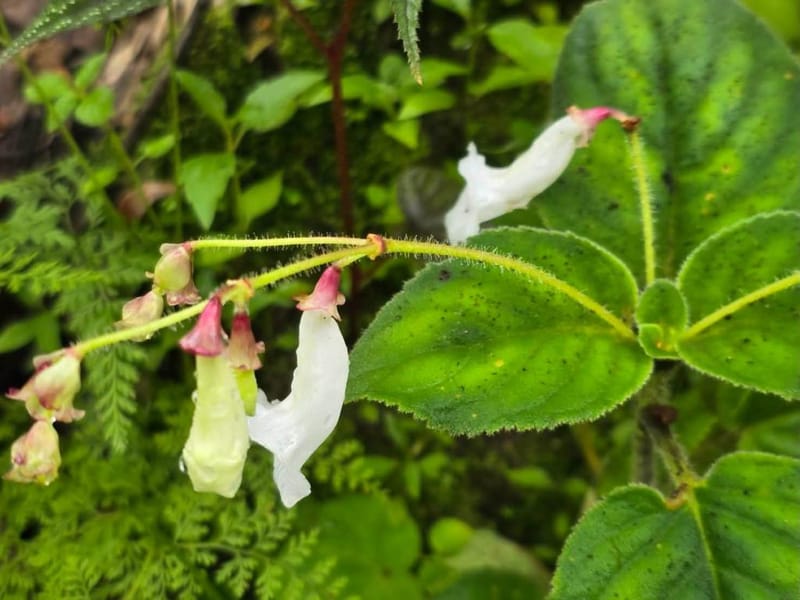
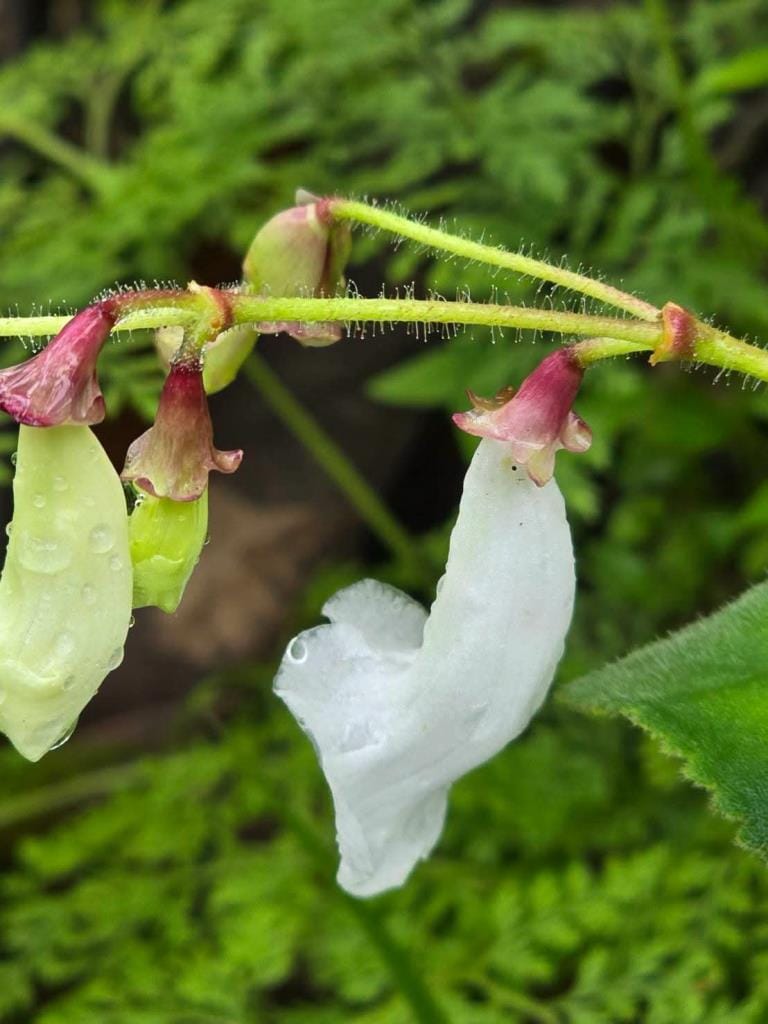
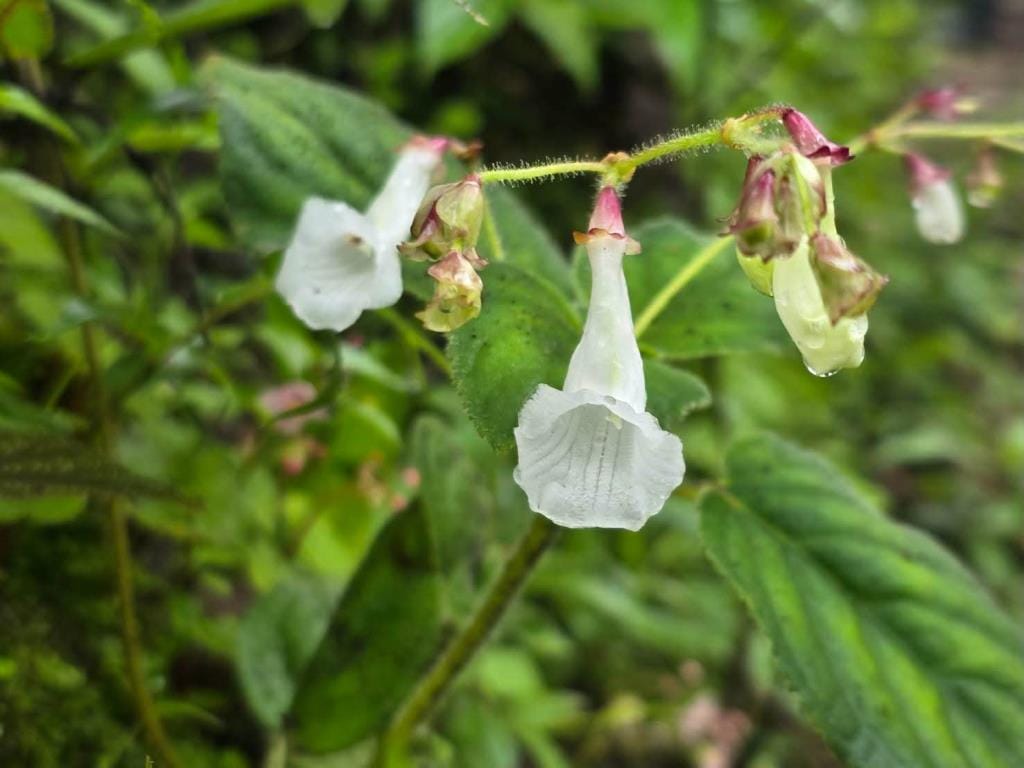
Kradieng Khao Khun Phawaw (Didymocarpus niveus) bears the specific epithet "niveus," which alludes to its pure snow-white flower colour. It is an annual or perennial herb that grows terrestrially or on rocks, reaching up to 25 centimetres in height, and undergoes a dormant period during the dry season. The leaves are simple, arranged in opposite, anisophyllous pairs, and are densely covered with multicellular, eglandular hairs. The inflorescence is an axillary cyme. The flowers are tubular-funnel-shaped, approximately 3.5 centimetres long, white in colour, and divided at the tip into five lobes. The base of the calyx is fused into a cream-white bell-shaped tube. The fruit is a capsule approximately 2.5 centimetres long. The type specimen "Chamchumroon VC5975" is preserved at the Forest Herbarium.
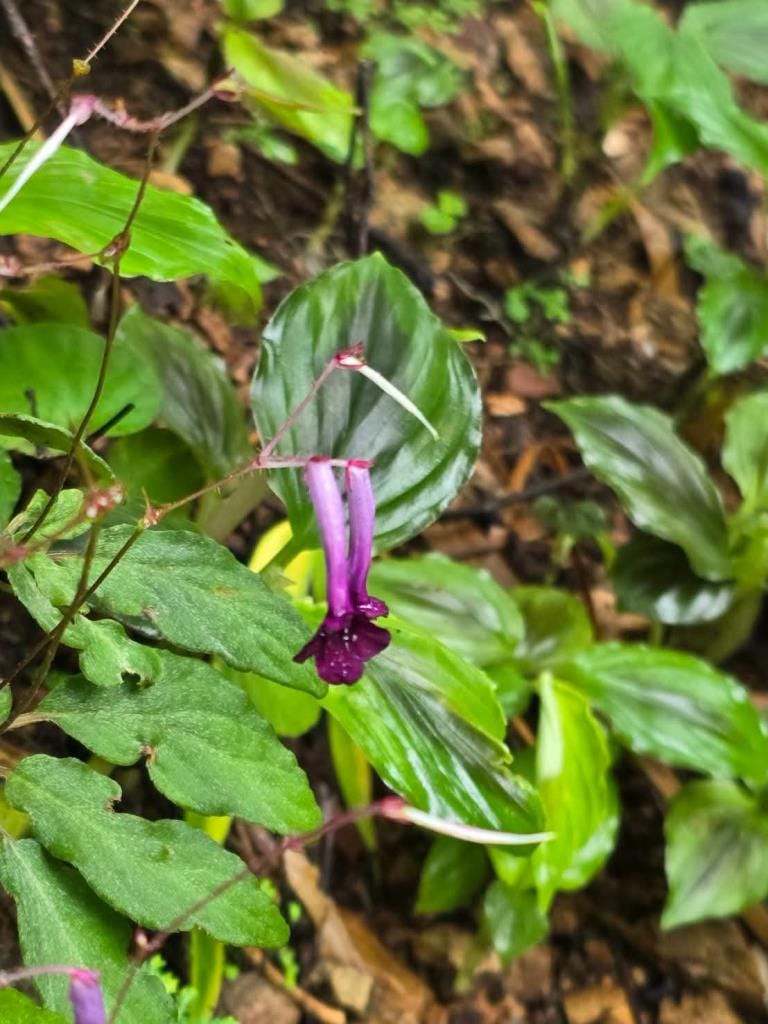
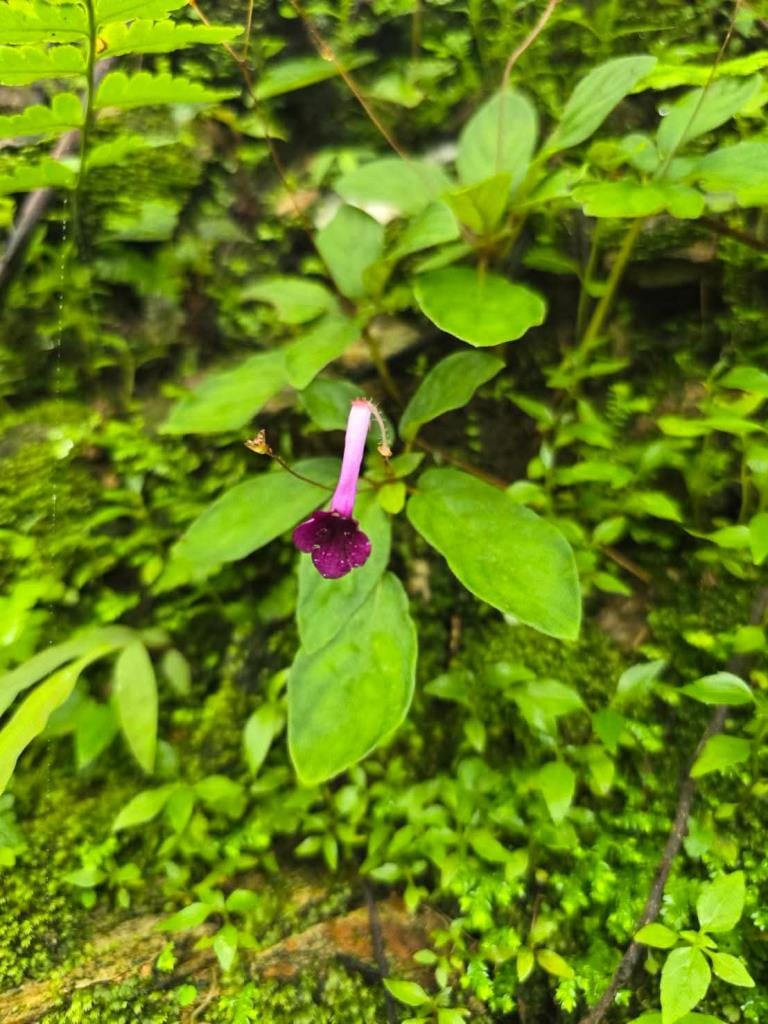
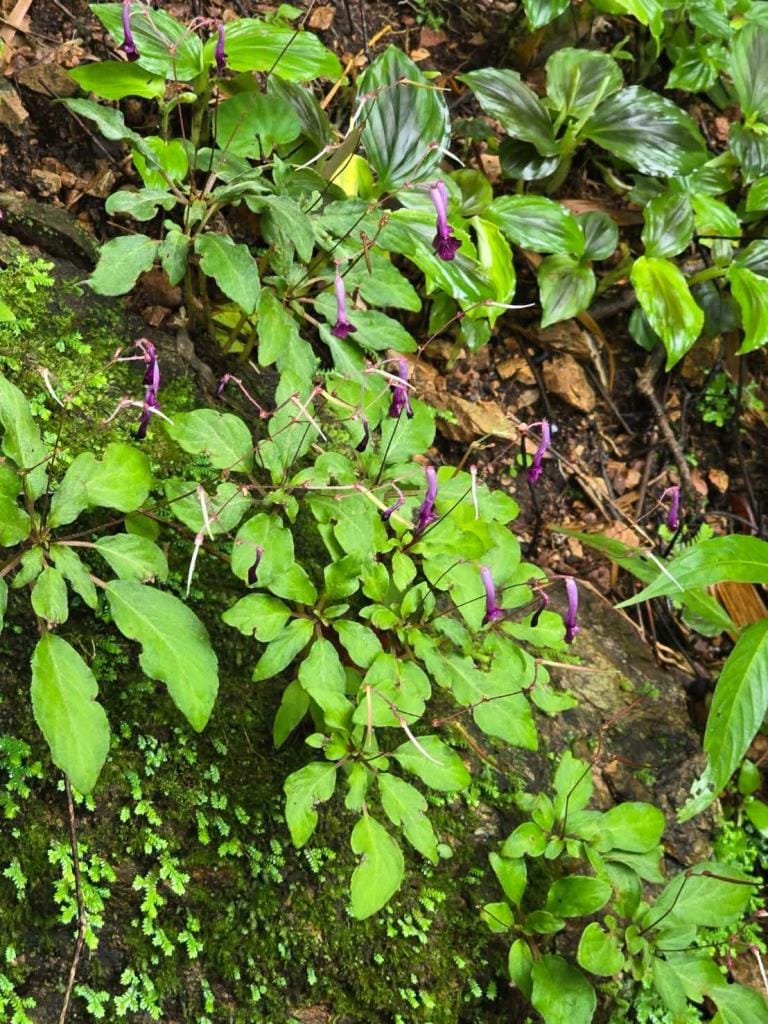
Muang Si Anusarn (Didymocarpus vilaiwaniae) takes its specific epithet "vilaiwaniae" in honour of Associate Professor Dr. Wilaiwan Anusarnsunthorn, a former lecturer in the Department of Biology, Faculty of Science, Chiang Mai University. This species is a terrestrial herb; during the rainy season its stem reaches 2–5 centimetres in height. The simple leaves are arranged in opposite, anisophyllous pairs densely clustered at the shoot tip. The upper surface of the leaf blade is covered with silvery hairs, while the underside is densely covered with 4-celled brown glands. The inflorescence consists of monochasial cymes with peduncles ranging from red to dark red. The flowers are salverform, approximately 2 centimetres long, bright purple in colour, with five sepals that are free to the base and purple. The type specimen "Chamchumroon, Puff & Wongngoen 4968" is likewise preserved at the Forest Herbarium.
Both newly discovered plant species have been provisionally assessed for conservation status under the criteria of the International Union for Conservation of Nature (IUCN) and assigned the status of Data Deficient (DD), as further surveys of their populations and natural distribution are still required. Beyond expanding the world's botanical knowledge, this discovery serves as important evidence highlighting the ecological richness of Khun Phawaw National Park, which is worthy of sustainable conservation and continued research.
Information and images: Department of National Parks, Wildlife and Plant Conservation
Travel and food news can be submitted to email: [email protected], or watch various clips at Youtube: Travel MGR, Instagram: @travelfoodonline, and TikTok: @travelfoodonline.