Hayoung, an actress from a family of doctors spanning four generations, has become a hot-button issue after being linked to allegations that her great-great-grandfather "Ahn Sang-ho" had pro-Japanese sympathies during the colonial era. Her agency has now come forward to confirm the family connection, but stressed that some of the details being spread online differ from the facts.
The agency of Korean actress Hayoung issued a clarification regarding allegations about the history of Ahn Sang-ho, her great-great-grandfather, after information circulating online suggested he may have exhibited pro-Japanese behavior during the period when Korea was under Japanese rule.
On August 10, Hayoung's agency told Korean media that Ahn Sang-ho is indeed the actress's great-great-grandfather. However, regarding the allegations currently being shared online, the agency stated carefully that "some of the information regarding the allegations that Ahn Sang-ho engaged in pro-Japanese behavior differs from the facts."
Previously, Hayoung had drawn public attention after revealing through several television programs that her family has practiced medicine across four generations. Her great-great-grandfather in particular was reported to have opened a Western medicine clinic in Hanyang and to have provided medical treatment to Emperor Gojong, which led netizens to speculate that this individual might be Ahn Sang-ho.
According to the information that has been reported, Ahn Sang-ho enrolled at Tokyo Jikei Medical School in November 1898 and passed his medical licensing examination in July 1902, after which he returned to Korea. He was also reported to have attended to Prince Uichin in 1903.
Later, in 1919, Ahn Sang-ho's name was connected to the treatment of Emperor Gojong after the emperor fell ill from a cerebral hemorrhage. Reports indicated that he participated in the treatment alongside Japanese physicians at that time.
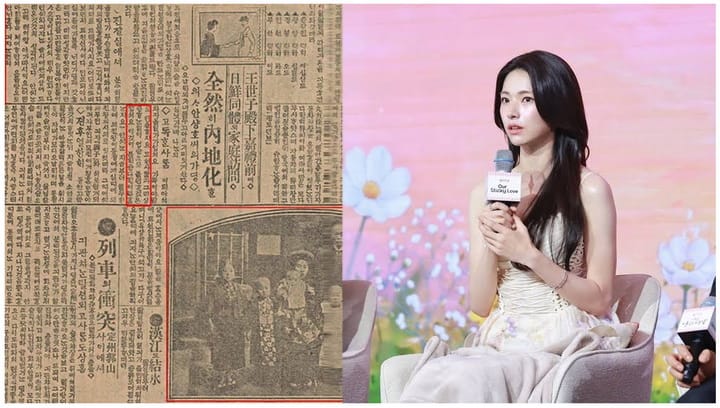
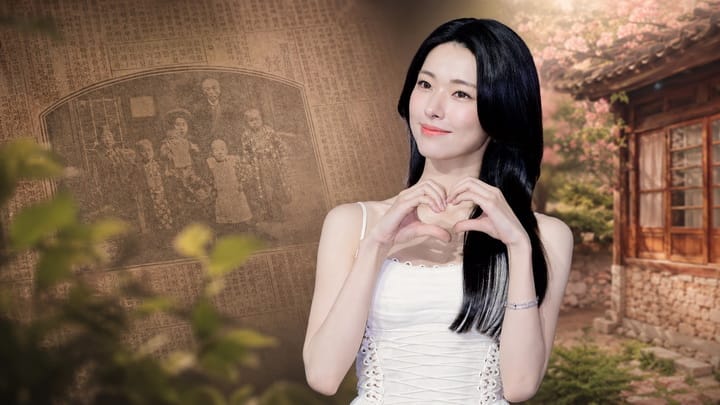
However, Ahn Sang-ho's history became a subject of controversy due to an article in the newspaper Maeil Sinbo from 1918 — a publication operating under the Japanese colonial government — which stated that Ahn Sang-ho had married a Japanese woman and lived in the Japanese manner. The article also quoted him in terms suggesting that he lived no differently from a Japanese person and rarely wore Korean clothing.
This information has once again tied Ahn Sang-ho's name to suspicions of pro-Japanese sentiment, but the matter currently remains one that requires careful consideration of historical evidence from multiple angles. Hayoung's agency, for its part, confirmed only that some of the details that have been circulated do not match the facts.
As for Hayoung herself, she made her acting debut in 2019 through the KBS2 drama "Doctor Prisoner," before becoming more widely known through works such as "The Trauma Code: Heroes on Call" and "Teach You a Lesson."
Hayoung is currently appearing in the Netflix original series "Our Sticky Love," which premiered on August 7, drawing even greater attention to the controversy surrounding her family background amid the rising popularity of the series and the actress's growing profile.