The Finance Ministry's Permanent Secretary has revealed that the measures to support EV use have been finalised, with multiple mechanisms involved — not just the matter of pricing alone — since each vehicle type requires different incentives. He has hinted at the use of subsidy measures channelled through financing institutions, as well as direct assistance to people purchasing EVs, which differs from previous measures that provided assistance to operators.
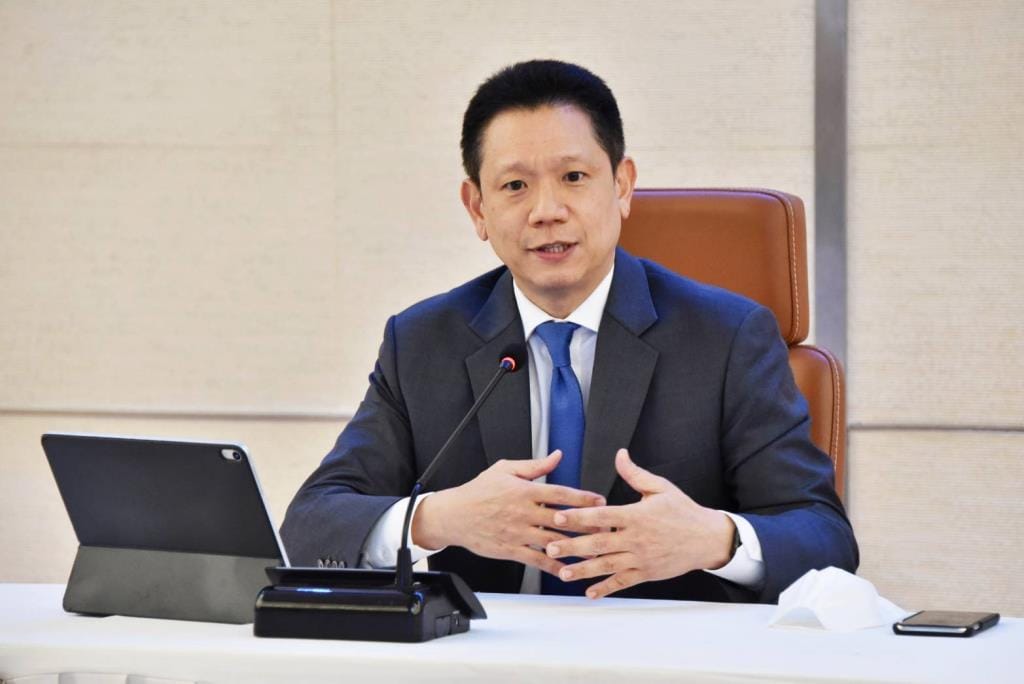
Lawaron Saengsanit, Permanent Secretary of the Ministry of Finance, spoke about progress on the project to support the energy transition of the public transport sector toward the use of alternative or clean energy. He stated that the agencies responsible are in the process of expediting their consideration of the details, and that he understands several issues have already been resolved. The remaining work involves writing up the project details in order to submit them for consideration by the screening committee.
As for the energy transition support project under the Excise Department, the Permanent Secretary of the Finance Ministry expects that all matters have been fully resolved. The department is currently in the process of preparing a summary of the project details for submission, as multiple mechanisms are involved — not just the vehicle pricing mechanism alone. Each vehicle type will require different incentives: for instance, motorcycles call for one approach, while electric vehicles call for another, and therefore the matter must be considered as carefully as possible.
Previously, Pornchai Thiraveja, Director-General of the Excise Department, stated that the department is in the process of discussing and finalising details of the project to support the transition to electric vehicle (EV) use with the Ministry of Finance. As a preliminary step, the department has prepared two to three subsidy models — channelled through financial institutions that provide loans to vehicle buyers (finance companies) — for the Ministry of Finance to consider. The subsidy would be a one-time payment in order to allow for straightforward implementation. The proposed models include either a compensation payment or a discount on the financed loan amount, or a subsidy through the interest rate, among others.
In this regard, subsidising through the financing system also serves to draw on that system to help screen the eligibility of those who wish to claim benefits under the project, rather than making a direct subsidy payment to vehicle buyers outright. For those who purchase an EV with cash, an appropriate form of subsidisation will be provided separately. He confirmed that this project is definitely different from the EV 3.5 measure, because that measure provided assistance to operators, whereas this time the assistance will be directed to members of the public who purchase EVs — making them entirely separate matters.