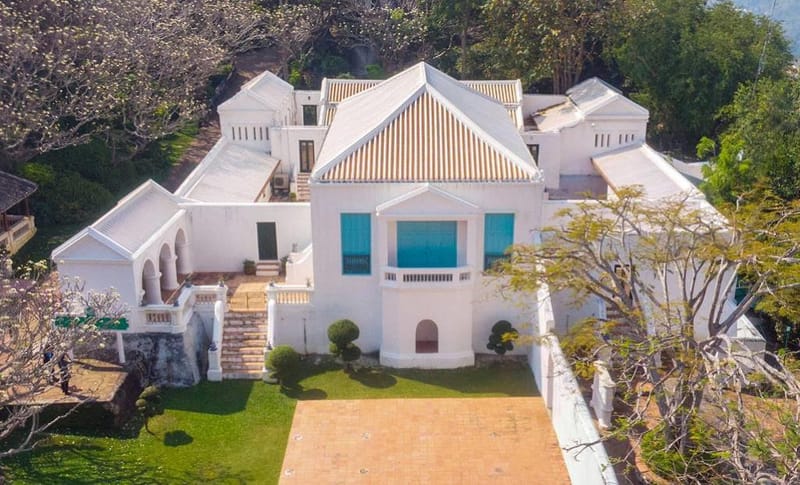
The Fine Arts Department invites the public to visit the special exhibition "Don Yai Thong: The Genesis of Phetchaburi's Civilisation," running from 24–28 August 2026 at Santhakhansathan Pavilion, Phra Nakhon Khiri National Museum (Khao Wang), Phetchaburi Province. The highlight of the event is a collection of important artefacts that will be put on public display for the first time in Thailand.
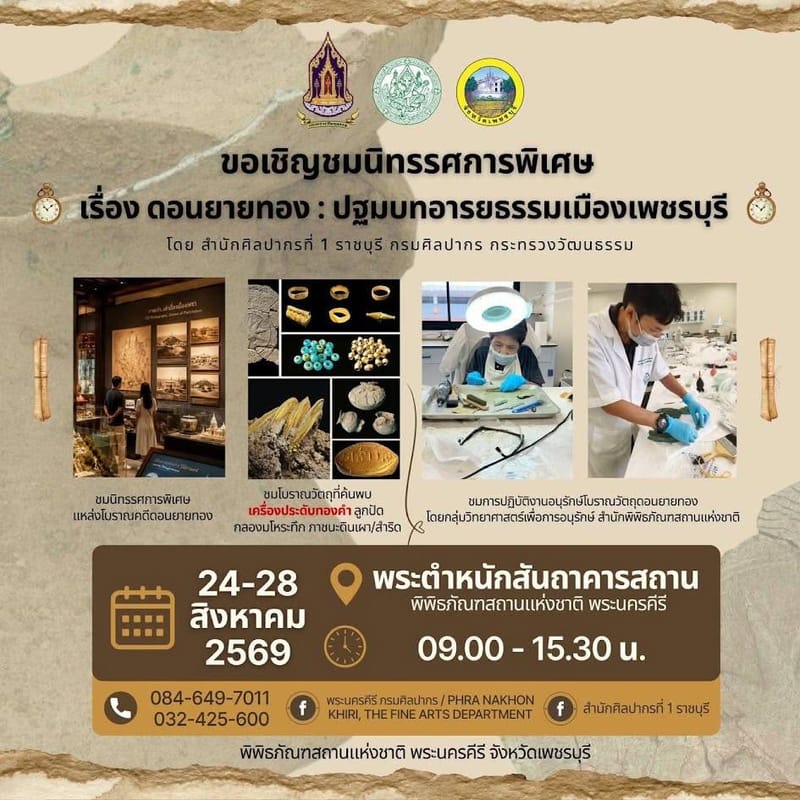
The Regional Office of Fine Arts No. 1, Ratchaburi, Department of Fine Arts, Ministry of Culture, invites all interested visitors to attend the special exhibition "Don Yai Thong: The Genesis of Phetchaburi's Civilisation," held from 24–28 August 2026, from 09:00 to 15:30, at Santhakhansathan Pavilion, Phra Nakhon Khiri National Museum (Khao Wang), Phetchaburi Province.
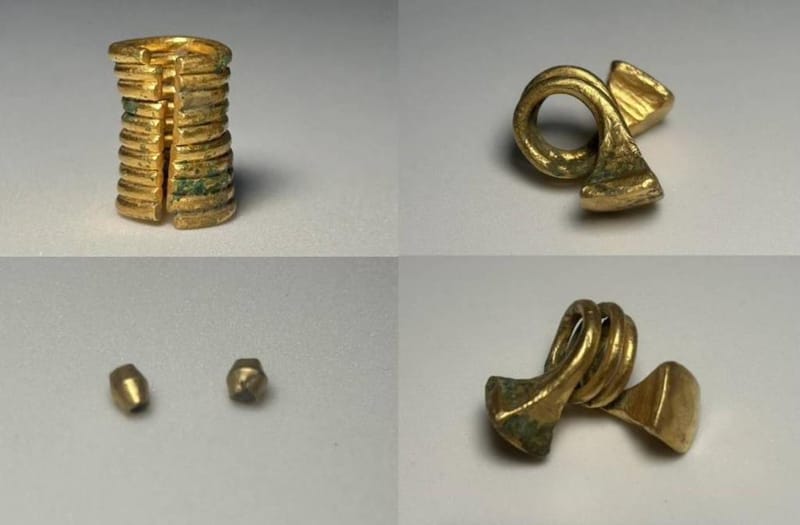
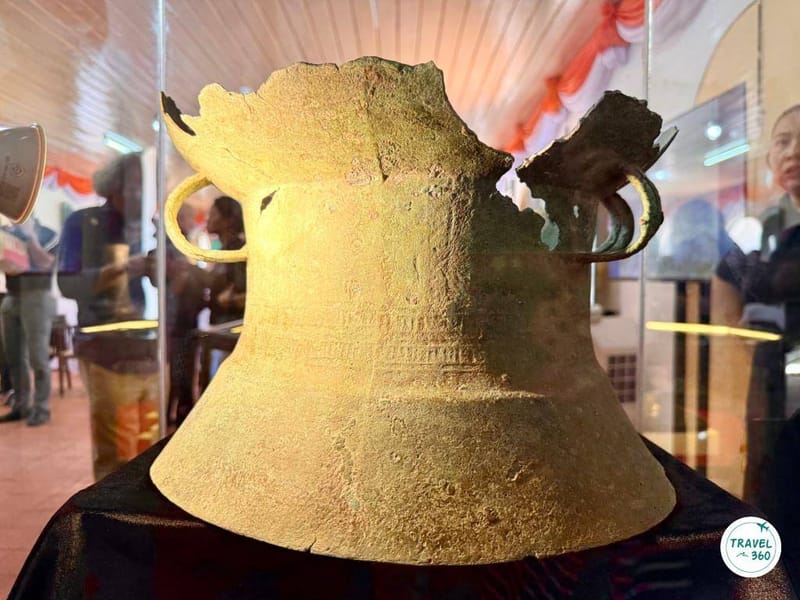
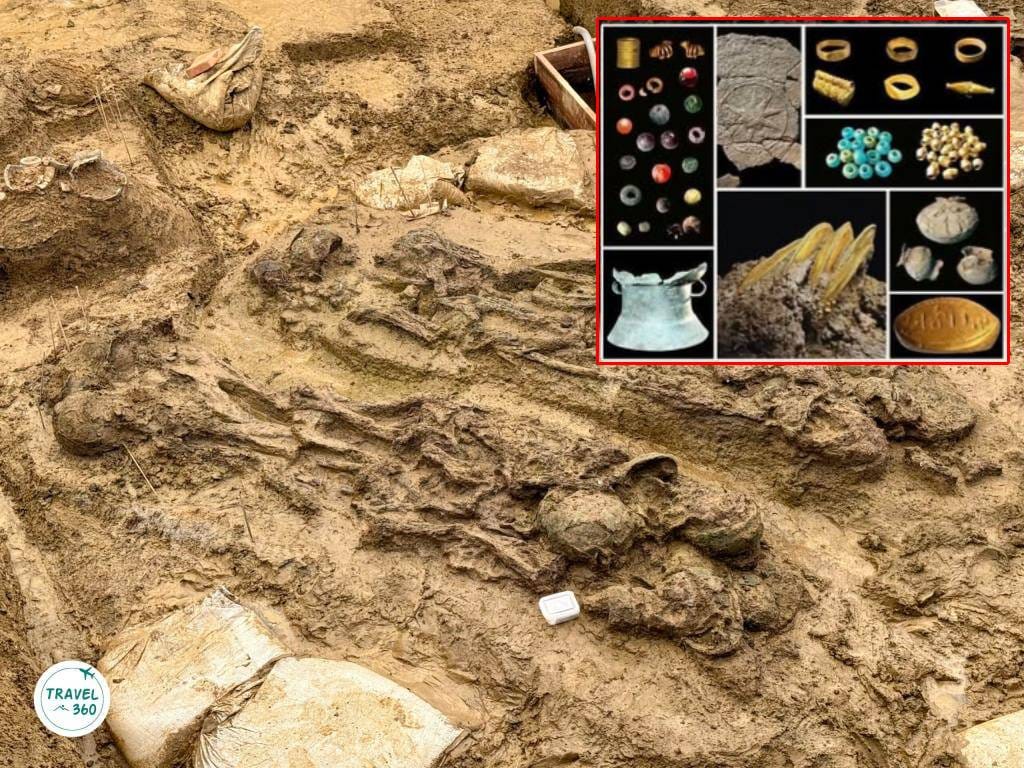
The exhibition features a special display on the Don Yai Thong archaeological site, with highlighted artefacts discovered at Don Yai Thong including gold jewellery, beads, bronze drums (makharatueng), earthenware and bronze vessels.
In addition, there will be a demonstration activity on artefact conservation, conducted by staff from the Conservation Science Division, Office of National Museums.
The special exhibition "Don Yai Thong: The Genesis of Phetchaburi's Civilisation" will be officially opened on Monday, 24 August 2026, at 10:00, by Ms. Sabida Thaiseht, Minister of Culture.
Following the opening ceremony, the general public may visit the exhibition from 13:00 on 24 August 2026 onwards.
"Don Yai Thong" is one of Thailand's significant archaeological sites, located at Ban Don Phlab, Samoe Phlue Sub-district, Ban Lat District, Phetchaburi Province.
The Don Yai Thong archaeological site came to light following the discovery of a bronze drum (makharatueng) estimated to be approximately 1,500–2,000 years old in a villager's rice field on 9 February 2026, after which the Department of Fine Arts commenced systematic archaeological investigation of the area.
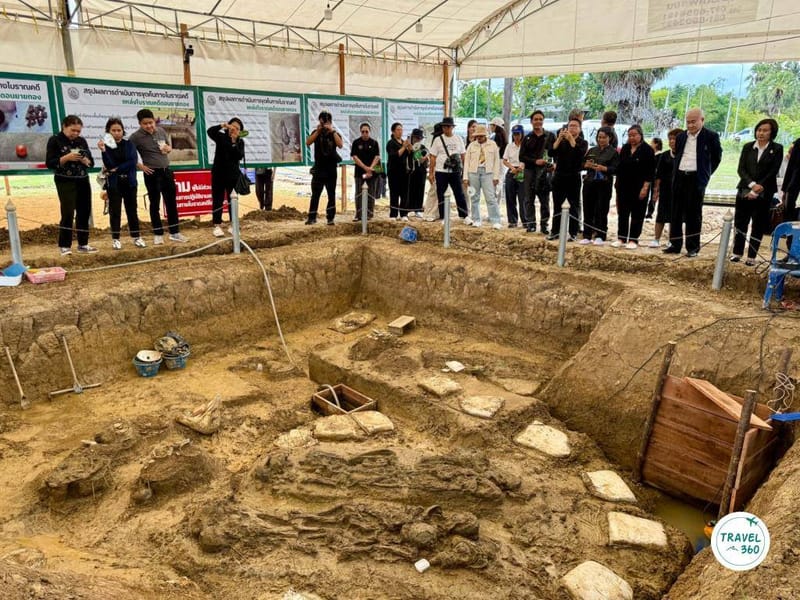
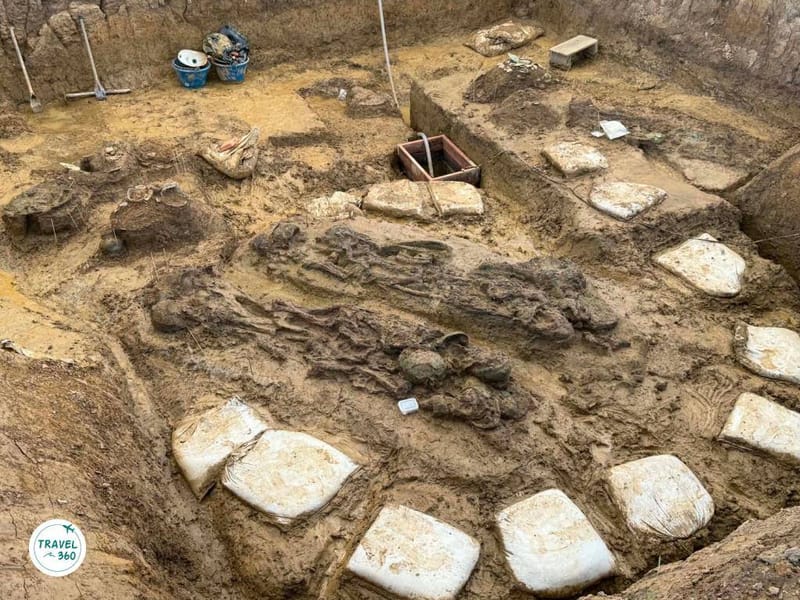
The results of excavations from a pit measuring 4 by 6 metres and approximately 1 metre deep have astonished the archaeological community: the dig yielded fragments of six bronze drums, ancient human skeletal remains estimated to be approximately 1,500–2,000 years old, the skeletal remains of a child, and a large number of ancient ornaments including glass beads, stone beads, gold rings, gold bracelets, and numerous other artefacts.
Beyond the bronze drums, equally remarkable was the discovery of human skeletal remains accompanied by gold jewellery. Skeleton No. 1 in particular was found with a large quantity of gold bracelets, rings, and earrings. Archaeologists have speculated that the deceased may have been a person of high social standing within the community, and that some of the jewellery items may have originated from India — reflecting that this area was once part of an ancient international trade network.
Furthermore, every skeleton was found with a bronze sheet covering the facial area, a funerary ritual form that is rarely encountered in Thailand. Traces of body binding were also found, and all skulls were oriented in the same north-easterly direction, demonstrating the structured burial rites and complex beliefs of the people of the late prehistoric period.