BOI holds discussions with JETRO and the Japanese Chamber of Commerce, exchanging views on adaptation to enhance competitiveness, with a focus on upgrading the production base through machinery modernisation, efficiency improvement, and the adoption of digital technology to boost productivity in response to shifts in the global economy and trade.
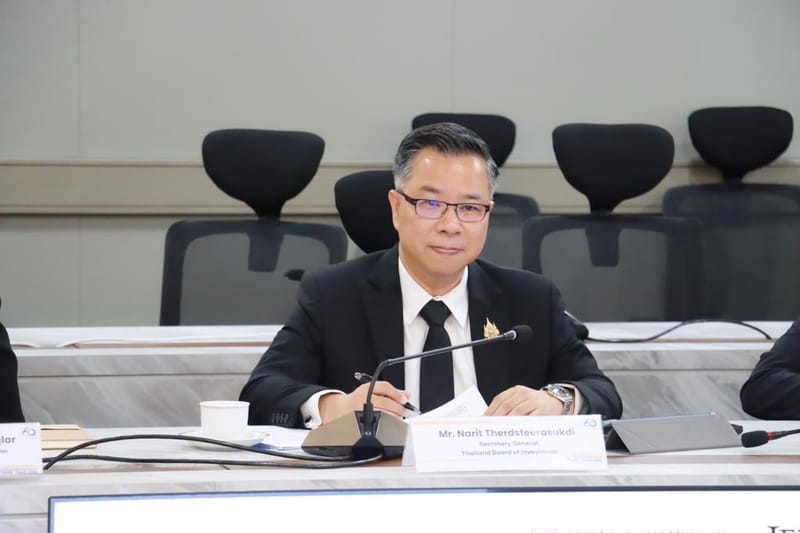
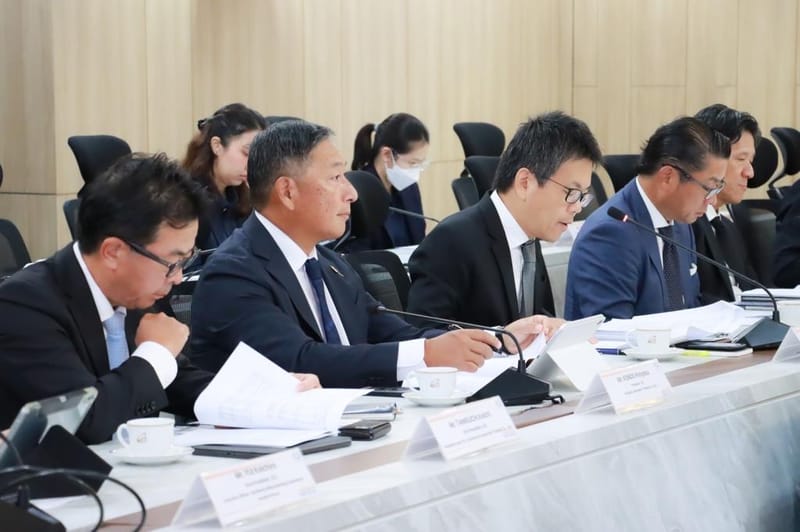
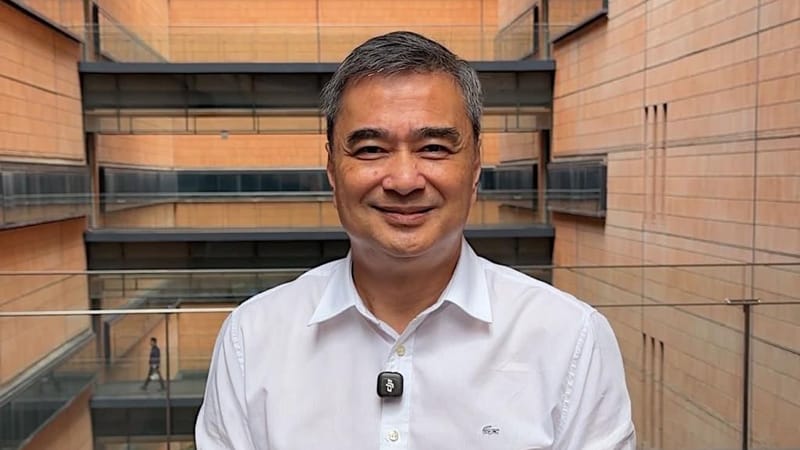
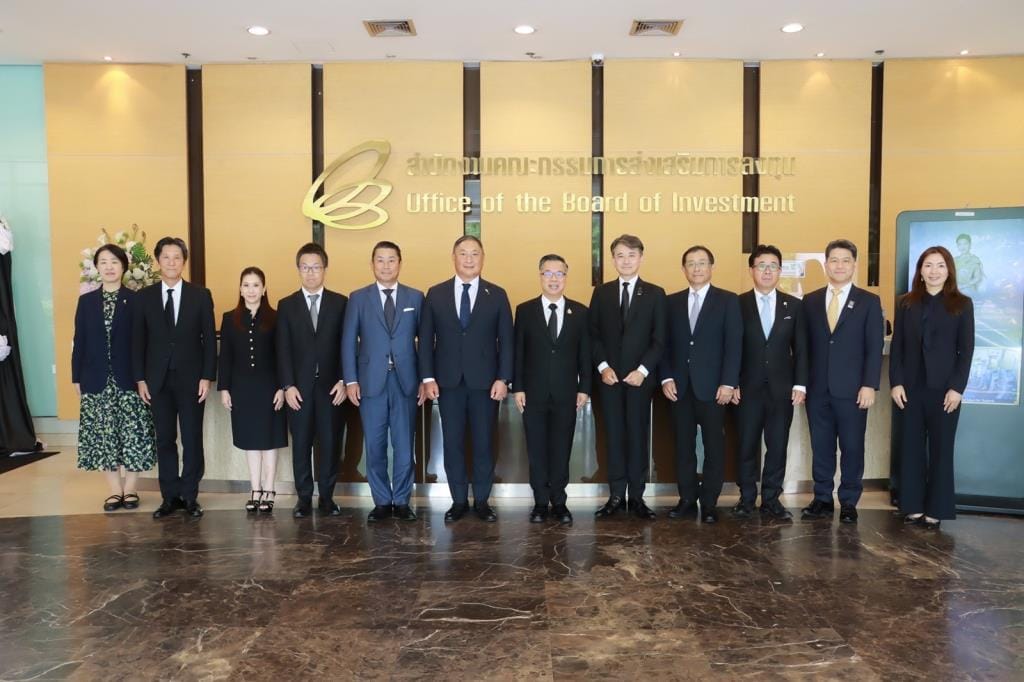
Mr. Narit Therdsteerasukdi, Secretary-General of the Board of Investment (BOI), revealed that on 13 August 2026, Mr. Abe Ichiro, President of JETRO Bangkok and Head of JETRO's Regional Representative for Southeast Asia, together with Mr. Kondo Hiroyasu, President of the Japanese Chamber of Commerce, Bangkok (JCC), and their delegation, met with BOI for discussions and presented the results of a survey on economic trends among Japanese companies in Thailand for the first half of 2026. The survey drew responses from 504 companies covering both the manufacturing and services sectors. Both sides exchanged views on the economic situation, investment trends, and the direction of enhancing the competitiveness of Thailand's industrial sector.
The survey found that Japanese companies remain cautious about short-term economic prospects. The Diffusion Index (DI) for the first half of 2026 stood at -6, down from 0 in the second half of 2025, reflecting pressure from rising raw material prices and transportation costs stemming from the situation in the Middle East.
Nevertheless, demand in the semiconductor industry and investment in factories and machinery remained strong. For the second half of 2026, the DI is expected to remain stable, supported by the continued expansion of the electronics and digital industries amid concerns over economic conditions and rising costs, while the electronics and digital sector continues to show a growth trend.
On the investment front, Japanese companies continue to prioritise maintaining and upgrading their business base in Thailand, with 23% planning to increase investment in 2026, while 48% plan to maintain their current level of investment. The majority of investment is directed towards upgrading the efficiency of existing production bases, with 59% planning to replace old machinery with new equipment, 31% planning to improve machinery efficiency, and 22% planning to invest in Digital Transformation. This reflects the fact that Japanese companies place greater emphasis on increasing productivity and competitiveness than on expanding new investment in Thailand.
This direction aligns with data on applications for promotion under BOI's Smart and Sustainable Industry measure. From 2023 through the first half of 2026, companies with Japanese shareholders submitted more than 400 applications for promotion, with investment value exceeding 55,000 million baht, covering machinery upgrades to improve production efficiency, energy savings and environmental impact reduction, as well as the adoption of digital technology, automation, and robotics. This demonstrates the upgrading of Japan's industrial base in Thailand, with a focus on leveraging technology to boost productivity, reduce costs, and strengthen long-term competitiveness.
Japanese companies also conveyed their views on issues of importance to Japanese investors in Thailand. They expressed the highest expectation for government tax and financial support measures (29%), followed by the promotion of the domestic market (26%), and the expansion into third-country markets through free trade agreement (FTA) negotiations (24%), in order to accommodate the changing global trade environment. The survey further found that most Japanese companies in Thailand have been affected by uncertainty over US trade tariff policy to only a limited extent, with 42% indicating they have been barely affected, while 39% have been somewhat affected. Japanese companies continue to prioritise closely monitoring and analysing policy directions, as well as diversifying risks and expanding into new markets.
In addition, both sides exchanged views on the direction of Thailand's economic and industrial development going forward, particularly the upgrading of industries towards higher value-added activities, the promotion of clean energy use and carbon reduction through various mechanisms such as Direct PPA and Utility Green Tariff (UGT), as well as increasing flexibility for the private sector in accessing clean energy. They also discussed the development of personnel to support future technologies and industries through the Skill Bridge measure for developing highly skilled workers for modern industries, as well as the mitigation of the impact of the Global Minimum Tax through the Qualified Refundable Tax Credit (QRTC) mechanism, in order to support Japanese companies in continuously upgrading their existing business base and expanding new investment in Thailand.
Over the past five years (2021 through the first half of 2026), Japanese companies have continuously expanded their base, with 1,380 promotion applications submitted totalling more than 396,000 million baht in value.