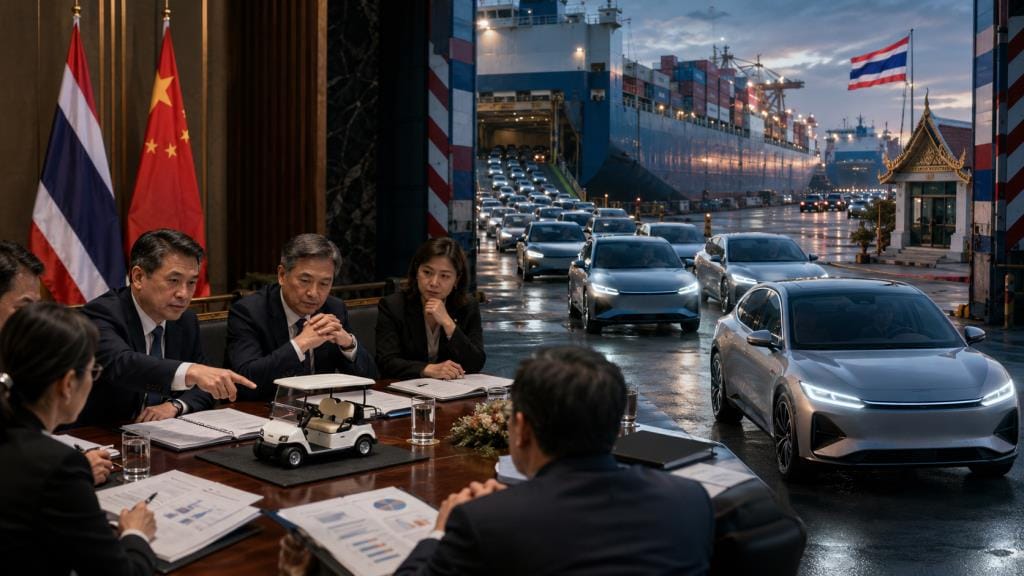
Suphawut Saichua reflects on a past FTA negotiation lesson in which electric vehicles were mistakenly understood to be golf carts, opening the door for Chinese cars to enter Thailand at a 0% tariff rate — a concession that has since become an advantage fuelling the flood of Chinese EVs into the Thai market, while Japanese internal combustion engine vehicles, which rely on domestic production bases and supply chains, face a heavier tax burden.
The Facebook page BTimes published an excerpt from an interview with Dr. Suphawut Saichua, Chairman of the National Economic and Social Development Council (NESDC), broadcast on MCOT's thought radio station FM 96.5 MHz. He stated that the lesson of the golf cart tariff is the most concerning issue for Thailand's automotive manufacturing sector.
Indonesia has begun making aggressive moves to lure Toyota into relocating its production base away from Thailand. Indonesia holds the advantage of a larger and continuously growing domestic market, while Thailand is currently grappling with the problem of an uneven tariff war.
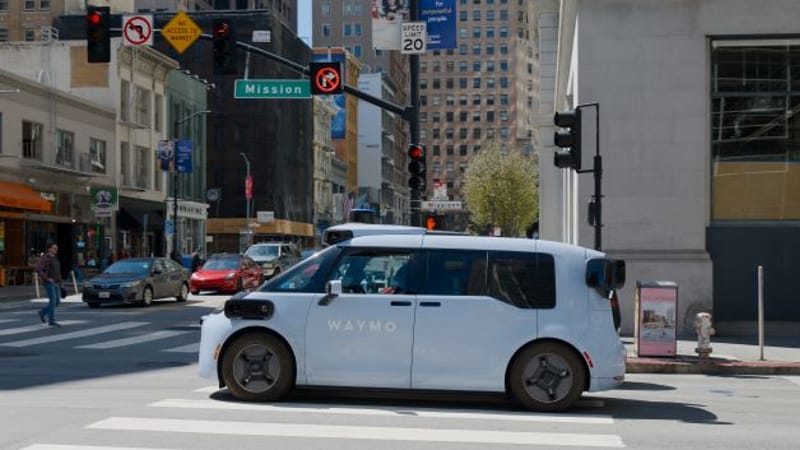
One reason Chinese electric vehicles have flooded into Thailand at a 0% tariff is that, in the past, negotiators of the Free Trade Agreement (FTA) mistakenly believed that electric vehicles were golf carts, and therefore agreed to set the tariff at zero.
The consequences are as follows: Chinese EVs pay an excise tax of only 2%, whereas Japanese internal combustion engine (ICE) vehicles — which form the backbone of Thailand's supply chain — are subject to taxes as high as 13–50%. This has left Japanese automakers feeling that they are being treated unfairly, and it may be a significant factor in their decision to relocate their production bases.