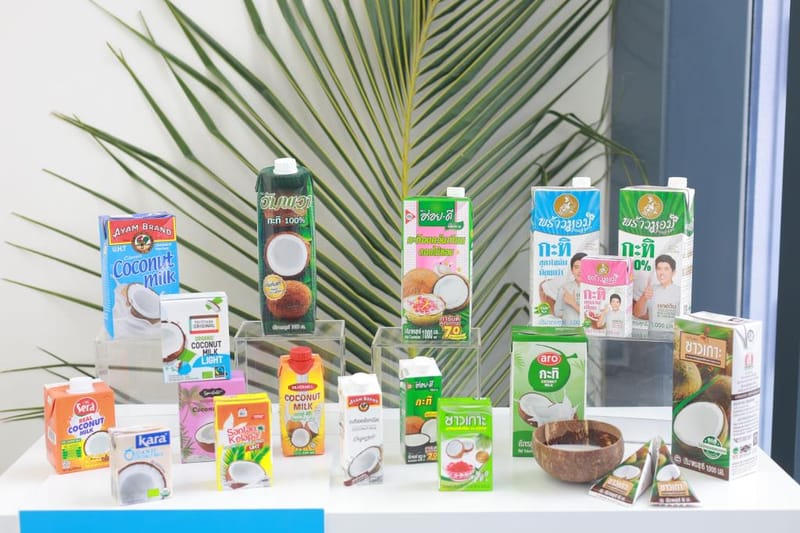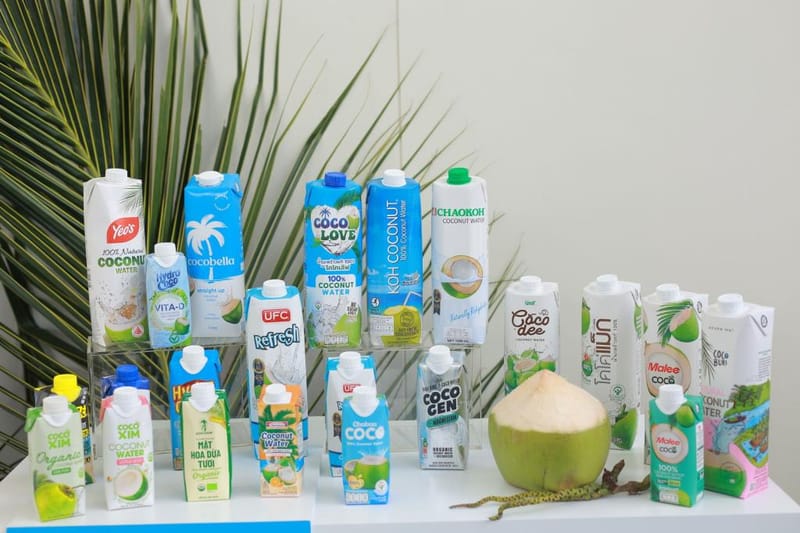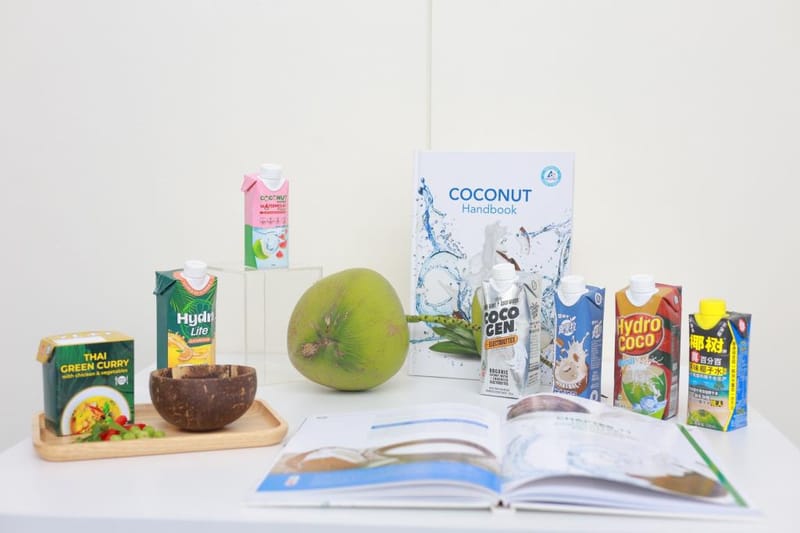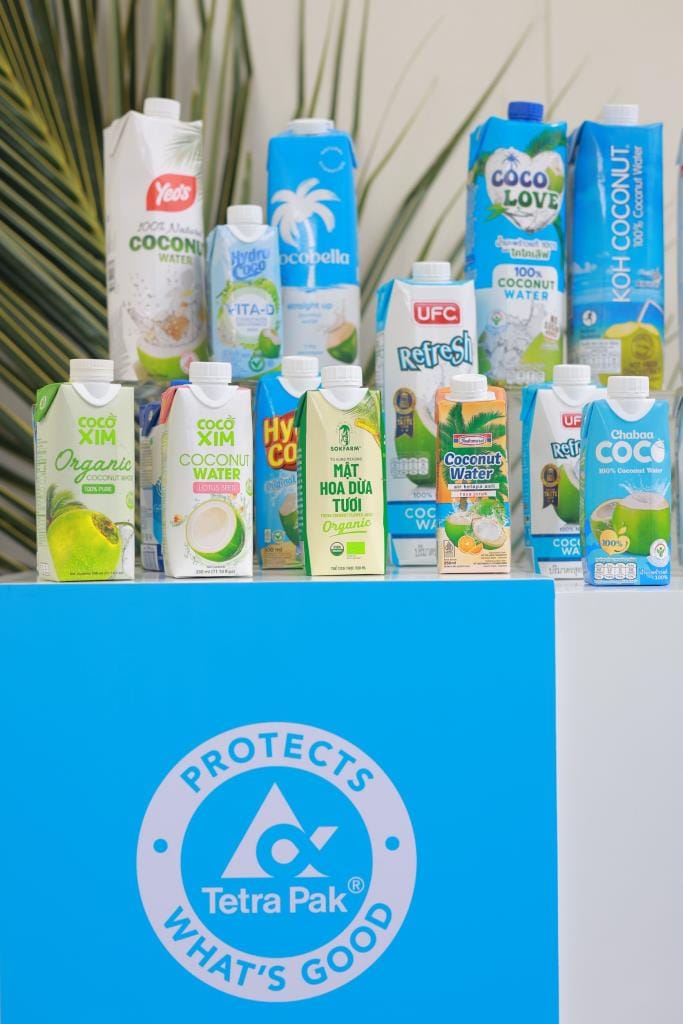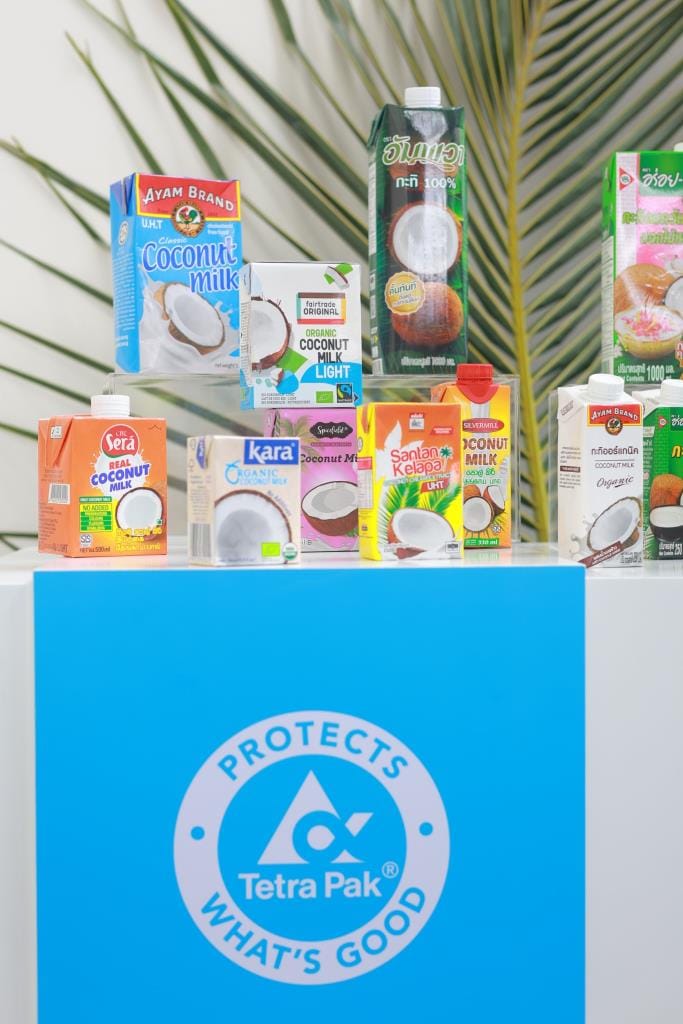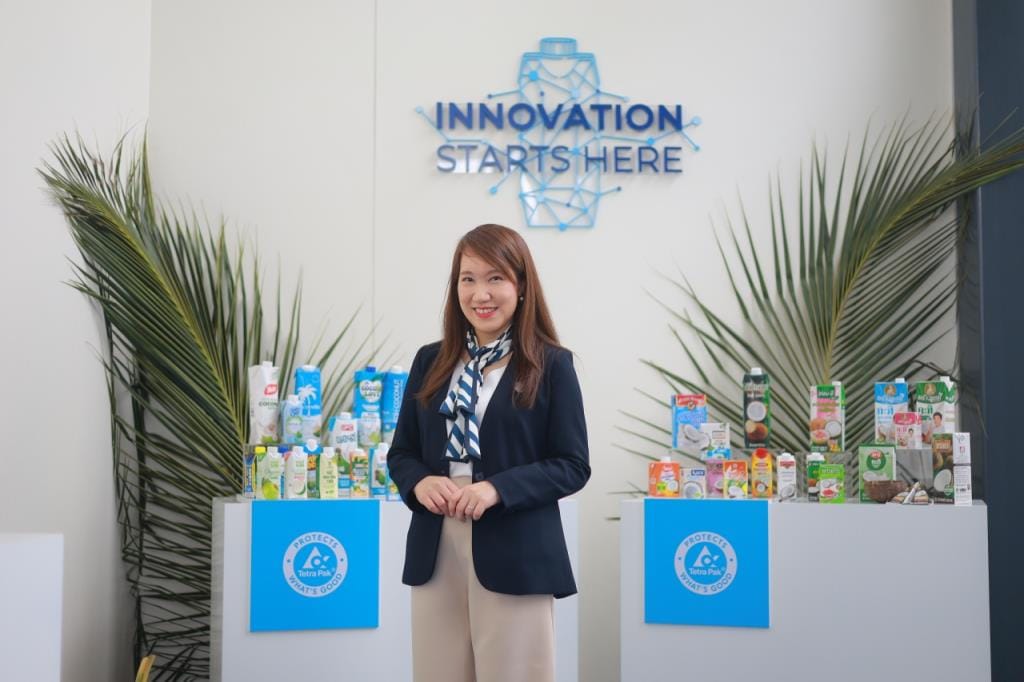
Tetra Pak supports Thai producers in meeting coconut processing challenges while promoting the development of new coconut-based products through the Coconut Knowledge Centre and Tetra Pak's Product Development Centre in Rayong Province.
Bangkok, Thailand – 27 August 2026 – Thailand's coconut industry holds significant room for further growth, particularly in moving beyond conventional coconut products toward differentiated, value-added offerings that meet the demands of both domestic and international markets. The Coconut Knowledge Centre (CKC), housed within Tetra Pak's Product Development Centre (PDC) in Rayong Province, demonstrates the potential of processing technology and product development in enabling food and beverage manufacturers to experiment with new coconut-based products, processing methods, and novel applications of raw materials before scaling up to commercial industrial production.
Thailand currently plays a key role in the global coconut market. According to data from the Public Relations Department, from January to October 2024, Thailand exported coconut milk valued at as much as 341.11 million US dollars (approximately 12,000 million baht), a rise of 16.85% compared to the same period in 2023. Grand View Research also indicates that the Asia-Pacific region held the largest share of the global coconut products market in 2025, accounting for more than 30% of the total market. However, developing new coconut-based products requires careful control of the processing steps at every stage, as coconut milk and coconut cream are sensitive to time and temperature, meaning quality can deteriorate if they are not processed quickly after extraction. Producers may also need to contend with various challenges depending on the type and formulation of each product — such as fat separation — alongside maintaining consistent flavour, texture, and product quality.
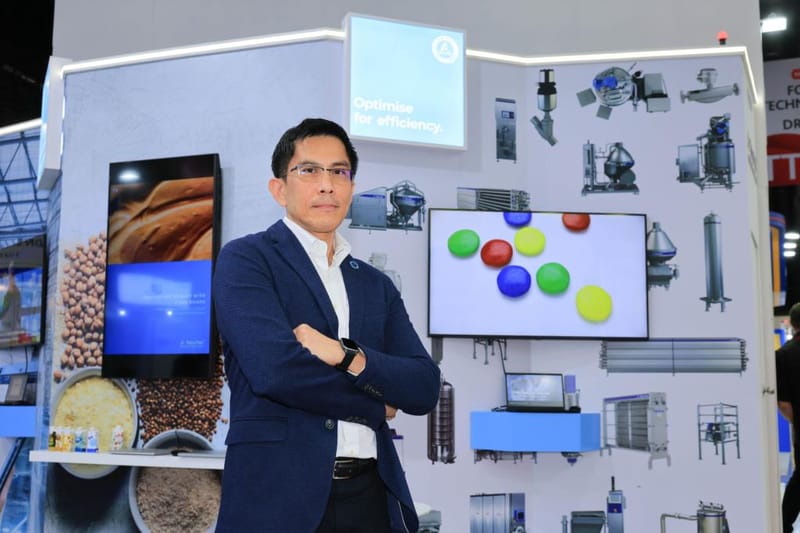
Surapong Kobpraditkul, Processing Director at Tetra Pak (Thailand) Co., Ltd., said: "Although coconut may seem like a straightforward raw material, different coconut-based products have markedly different properties and responses to processing. Coconut water requires meticulous control of time and temperature to preserve quality, while coconut cream demands a focus on texture and stability management. For this reason, we consider the raw material, product formulation, and processing conditions together from the very beginning. Understanding these characteristics helps producers choose the right processing approach and maintain consistent product quality when scaling up production."
One of the key technologies for manufacturing coconut-based products is the Tetra Pak Direct UHT solution, which employs steam injection and rapid temperature reduction. Drawing on nearly 40 years of experience in processing and packaging for coconut-based products, Tetra Pak is ready to bring this knowledge and expertise to help producers select the processing approach best suited to their different products and formulations. Direct UHT technology can raise and lower product temperatures rapidly, thereby minimising the impact of heat, reducing browning, and preserving the characteristic flavour of coconut-based products. When combined with aseptic manufacturing and packaging processes, it also enables storage and distribution at ambient temperature without the need for continuous cold-chain control. Other technologies can additionally be adapted to meet the specific requirements of individual products — such as Airtight Separation, which reduces oxygen exposure during production, and Homogenisation, which helps achieve the desired texture and stability in coconut cream. Beyond processing technology, producers can also utilise the Coconut Knowledge Centre and Tetra Pak's Product Development Centre in Rayong Province to develop and test product concepts, formulations, and processing options before entering commercial production. With pilot-scale production capabilities, producers can assess not only whether a concept can be developed into a viable product formulation, but also how to process it to achieve consistent quality and how to prepare for scale-up to full industrial production.
Going forward, product development opportunities are not limited to familiar products such as coconut water, coconut milk, and coconut cream alone. Coconut-derived raw materials can be used to innovate across a wide range of beverage categories, including ready-to-drink teas and coffees, barista products, dietary supplements, energy drinks, and sports beverages. This opens up opportunities for producers to diversify their portfolios and effectively respond to evolving consumer demands.
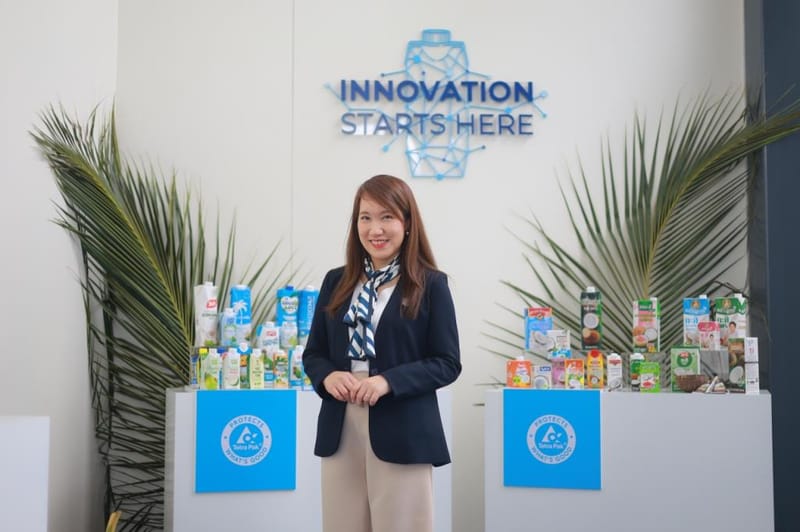
Sutthinan Techatayanon, Customer Experience Creation Manager for Asia Pacific at Tetra Pak, said: "Coconut still holds tremendous potential to be developed into new products and diverse consumption occasions. At our Product Development Centre in Rayong Province, producers can work with Tetra Pak's product and processing experts from the very early stages of product development to understand how a formulation will behave when processed, what aspects may need to be refined, and how to prepare for scale-up to industrial production. In the future, we also see opportunities to further enhance the centre's capabilities to support coconut product development with the Tetra Recart® packaging solution." Tetra Recart is part of Tetra Pak's diverse packaging portfolio and is currently used with ambient-shelf-stable products such as coconut milk and coconut cream. The portfolio spans from premium packaging using advanced technology to convenient and distinctive packaging solutions such as Tetra Prisma® Aseptic, Tetra Prisma® Aseptic Edge, and Tetra Classic® Aseptic, giving producers a wide range of options to maintain product quality, meet consumer needs, and differentiate their brands across different market segments.
Learn more about processing and packaging solutions for coconut-based products on the Tetra Pak website, and read further information in the Tetra Pak Coconut Handbook.