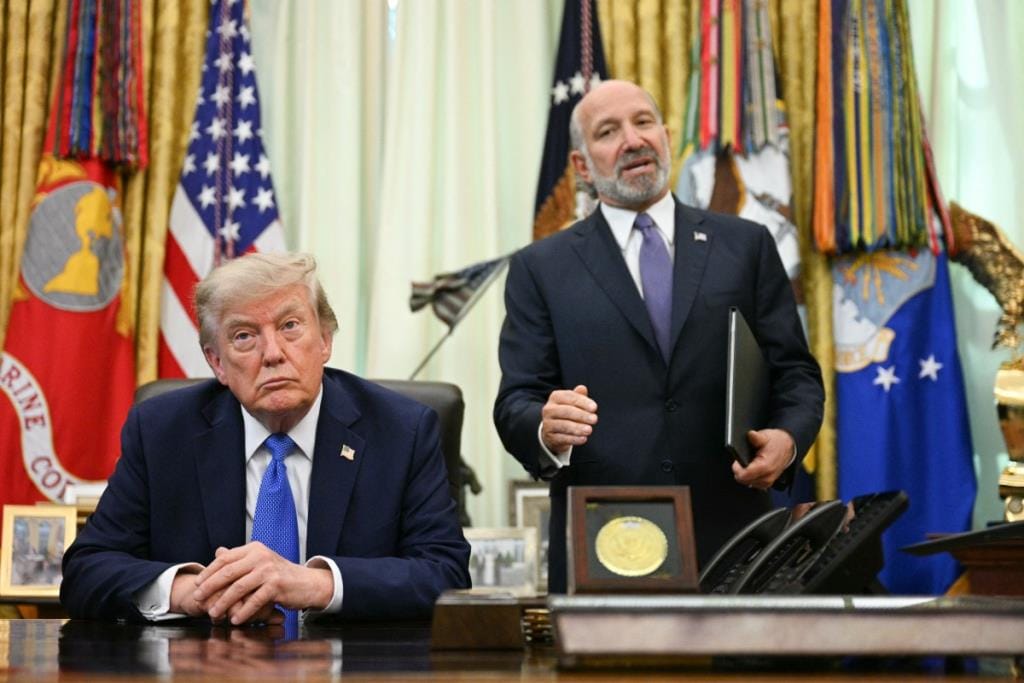
US President Donald Trump signed an executive order on Thursday (6 Aug.) local time, setting a minimum import price and a 15% tariff on polysilicon — a material predominantly produced by China — to support domestic polysilicon manufacturing. The measure takes effect from 4 December onward.
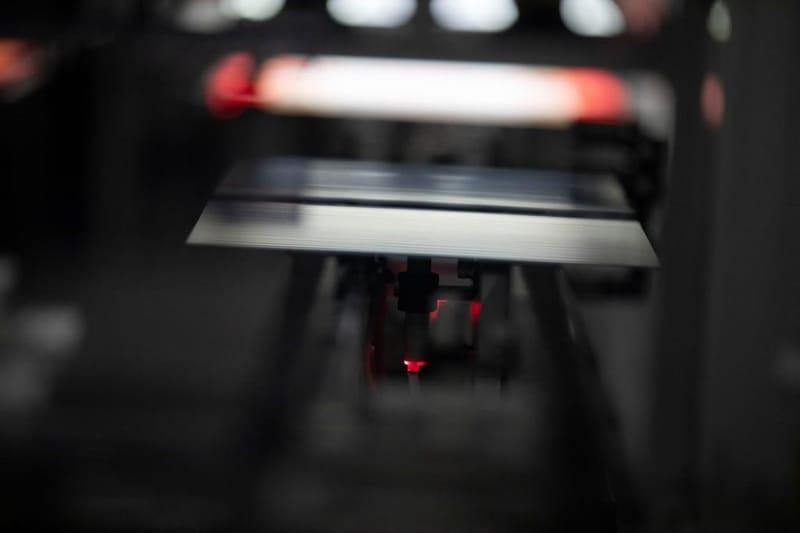
Polysilicon is an ultra-pure form of silicon and serves as the primary raw material in the production of semiconductors and solar panels.
According to documents from the White House, the United States' share of global polysilicon production has fallen from 50% in 2005 to below 2% in 2024.
The proclamation, issued under Section 232 of the Trade Expansion Act of 1962, aims to support domestic chip and solar energy supply chains, which are considered essential for competing with China in artificial intelligence (AI) and energy.
Over the past 10 years, American solar panel manufacturers have accused their Chinese competitors of dumping solar panels on the market, receiving unfair government subsidies, and relocating production to other countries to evade US import tariffs.
This marks the latest retaliatory measure against China, coming just one day after China's Ministry of Commerce on Wednesday, 5 Aug., announced what the ministry itself described as a major package of countermeasures in response to "erroneous" US actions.
Those erroneous actions include a ban on imports of new-generation humanoid robots from China; sanctions on Chinese maritime carriers that the US alleges transported fuel from Iran; the blacklisting of more than 40 Chinese companies on human rights violation grounds; the addition of two leading civilian universities to the US Department of Defense's blacklist; and threats to sanction Chinese AI companies.
China's Ministry of Commerce responded by sanctioning 7 US companies, tightening export controls on drones and related technologies to the United States, and launching an investigation into certain office equipment that uses foreign software. It also suspended the fast-track certification channel for US goods — such as electrical appliances — seeking to enter the Chinese market.
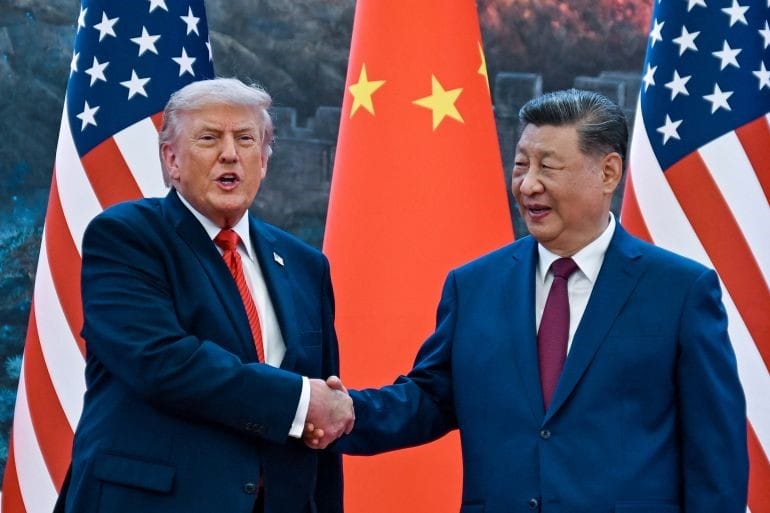
This renewed exchange of sanctions between the world's two largest economies has raised questions about whether President Xi Jinping's anticipated visit to the United States, expected in September, will be cancelled.
Nevertheless, observers and those close to policy circles in China indicate that the Chinese government places great importance on maintaining communication channels with Trump, viewing him as more friendly toward China than many ministers within the US administration.
Furthermore, the "restrained measures" — as described by a spokesperson for China's Ministry of Commerce — likely signal that Chinese leadership hopes to keep the September summit on track, particularly given that the meeting is seen as an opportunity for both leaders to discuss AI, which is fast becoming the most fiercely contested issue between the two powers.
Source: Xinhua / Reuters / CNN